Quick answer
The short version
Parents can change four things right away: give the child time to warm up, check the floor and shoes, put rest days on the calendar, and make ‘stop when it hurts’ a normal rule. Recital season often makes practice jump suddenly, so protect recovery time before adding more sessions. If the same pain keeps returning or lasts for days, stop pushing practice and deal with that first.
“I know it is fun, but what if they hurt themselves?”
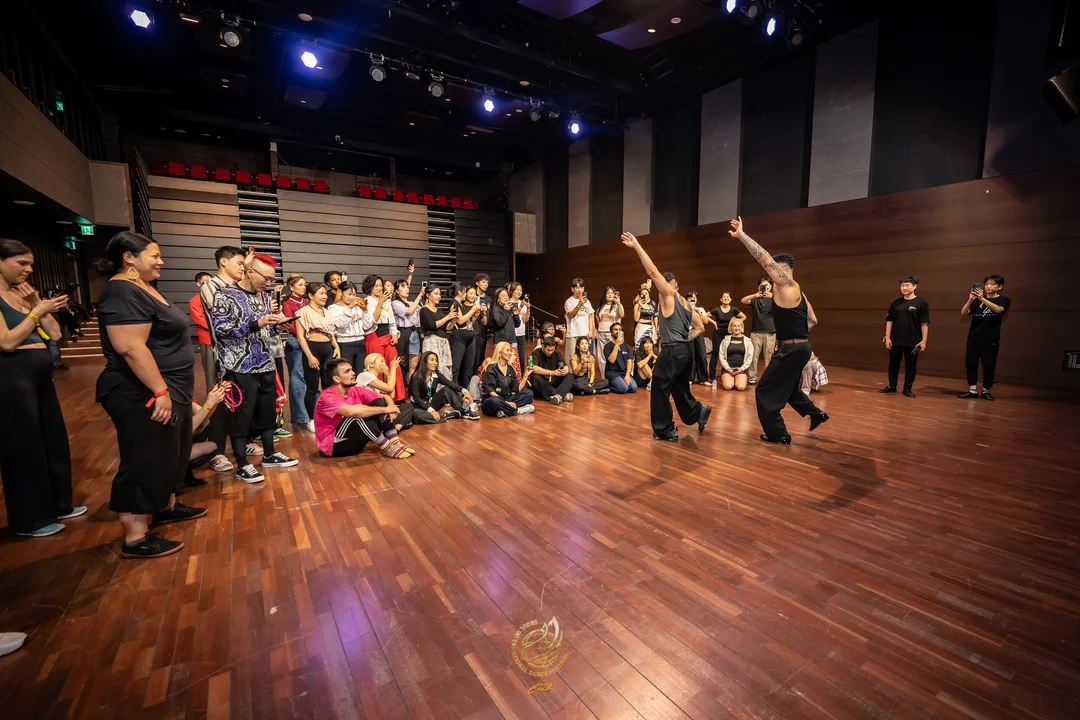
Your child repeats movements learned at the academy in the living room. They turn on the wooden floor in socks and jump in front of the sofa. Watching that scene, every parent has the same thought: won’t they get hurt doing that?
The direction of the concern is right, but its target is a little off. The problem is not dance as a discipline, but starting unprepared and not stopping despite pain.
The useful part for parents is the practice environment and schedule: what you can see at home, at the studio door, and the day before a performance.
First, warm up. That requires time
Children generally want to get to the main activity quickly. When the music starts, they want to go straight into choreography. Warm-ups run against that impulse, so they are often skipped.
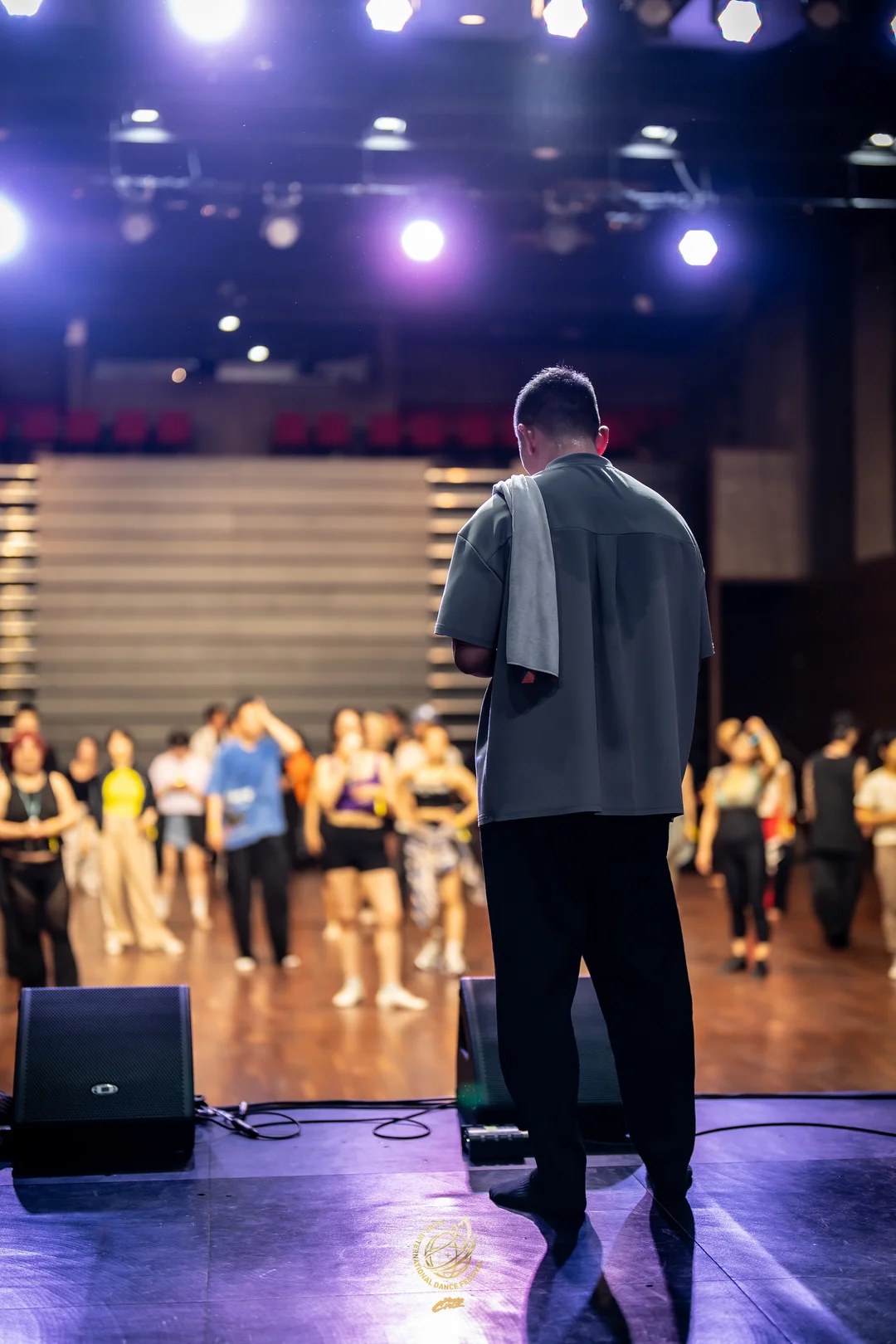
What parents can protect is not the content but the time. Arriving breathless just before class removes the time to warm the body up. One habit, arriving 10 minutes early, creates warm-up time.
Warm-up conditions you can check at home
- Whether there is dedicated time to warm up before class
- Whether your child participates then or watches a phone in the corner
- Whether they avoid beginning home practice with big movements right away
- Whether there is time to catch their breath and reset after class
Floors and shoes are what parents can check most easily
The child makes the movement, but the adult looks at the floor. If you have a chance to consult at the academy, step on the studio floor once. Your feet can tell whether it is slippery, excessively hard, or has moisture or dust.
The same applies at home. Turning on a wooden floor in socks is both children’s favorite way to practice and one of the slipperiest conditions.
| Item | How to check | What to do if it is a concern |
|---|---|---|
| Studio floor | Step on it yourself and check for slipperiness and moisture | Tell the instructor about the condition and point out caution areas to your child |
| Shoes | Check whether the soles are worn and whether feet move inside | Do not have them wear new shoes for the first time on performance or recital day |
| Home practice space | Check furniture and corners they could hit while turning | Reduce the size of movements or clear the space before practice |
| Clothes | Check whether knees and shoulders can move freely | Use clothes that do not restrict movement rather than tight clothing |
Shoes in particular cause trouble before recitals. It is common to buy beautiful new shoes and wear them first on stage day, but for a child that combines an unfamiliar floor with unfamiliar shoes. It is better to wear them several times beforehand and become accustomed to them.
Put rest days on the calendar
When a recital or competition is scheduled, practice volume suddenly increases. A child who usually attends twice a week may go to the studio every day for two weeks. This sudden change is the most common form of overdoing it.
If practice volume must increase, raise it like stairs. And rest days must be appointments made ahead of time, not spare time, to be kept.
- 01
Mark rest days first on the calendar
When planning practice, write rest days first. Changing the order so practice goes into remaining slots prevents rest from disappearing.
- 02
Prepare water and meals
Keep water beside them for long practices, and do not let them skip meals and head straight to the studio. Pack a personal water bottle for short breaks during class.
- 03
Make sleep a priority
Sleep is the first thing cut during recital preparation. Avoid the combination of reducing sleep to extend practice time.
- 04
Check condition the following day
Ask how your child feels on the morning after practice. If they struggle every time, that is a sign to adjust the intensity or schedule itself.
When they say it hurts, the rule is to stop right then
Children are not good at saying they hurt, especially as a recital nears. They endure because they do not want team practice to stop because of them, or because they fear looking like they are exaggerating.
That is why it is better to establish rules in advance: stop when it hurts, and do not get scolded for stopping. When both child and instructor know those two sentences, there is less reason to endure.
Signs a parent can observe
- They avoid only a particular movement or move with their body tilted to one side
- Their ability to use stairs the day after practice differs from usual
- They suddenly do not want to attend a class they used to enjoy
- They say they are fine while repeatedly touching the same area


Three questions to ask the instructor
These are short questions you can ask during a consultation when choosing an academy or when the term changes. How they respond to these questions tells you more than the content of the answers.
Questions to use in a consultation
- Is there dedicated time to warm up before class starts?
- What happens in class that day when a child says they are in pain?
- How does practice volume increase during recital preparation?
If all three answers are clear and saying ‘they rest when they hurt’ comes naturally, that itself is a good sign.
The child who dances for a long time ultimately dances well
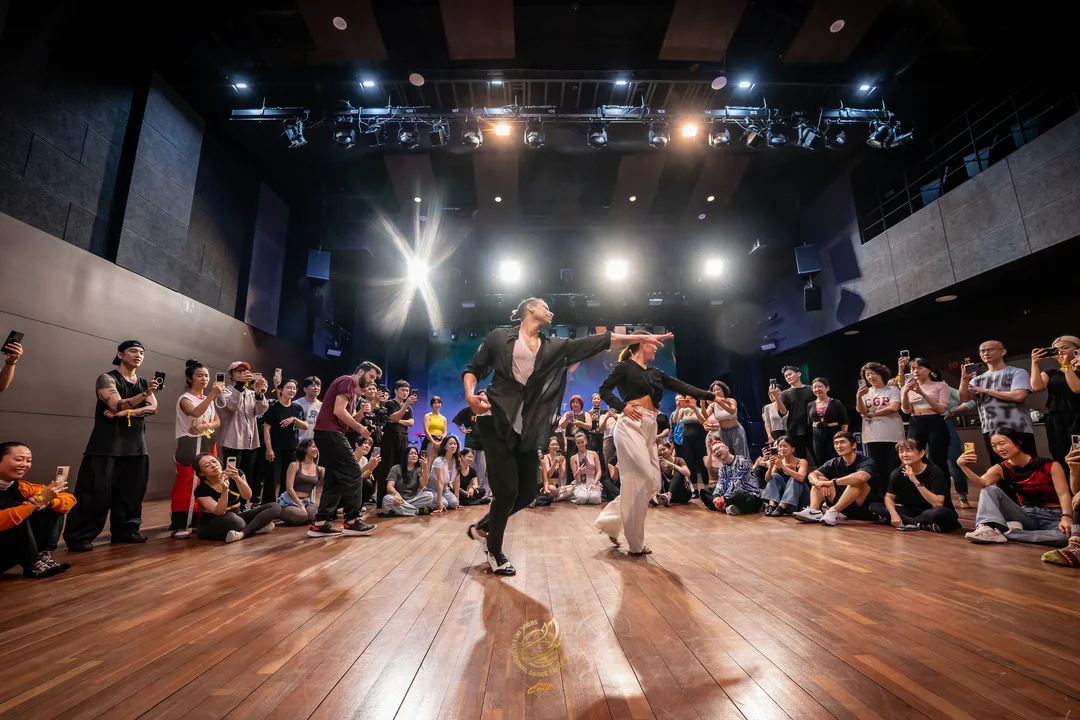
SIDF 2026 had 872 participants and left 5,186 official photographs. Among them are people who have continued dancing for years. What they share is continuity, more than talent.
How well a child dances at 12 matters less than you think. What matters is whether they are still dancing at 18. Ten minutes of warm-up, rest days, and a rule to stop when it hurts are conditions for that continuity.
Families will also attend SIDF, held at Seoul Sangam DMC from April 23 to 25, 2027. If your child wants to see a stage, look together at the official schedule page to see which programs are available.
FAQ
Frequently asked questions
Is a child at greater risk of injury learning dance than other sports?
It cannot be determined by comparing disciplines alone. Activities involving large movements vary according to preparation time, practice intensity, and rest. What parents can check is whether warm-up time exists, whether there are rest days, and whether the atmosphere allows a child to stop when they say they are hurt.
What should I do if my child says their legs hurt after practice?
Have them stop the painful movement and rest that day. If the same pain keeps returning or lasts for several days, pause the extra practice and get it checked before they go back to full intensity. Do not use another child’s pace as the benchmark.
Practice volume suddenly increases before a recital. Is that okay?
It is better to increase gradually than suddenly. Mark rest days first when planning practice, and avoid creating practice time by reducing sleep. If your child continues to struggle the next day, you can discuss adjusting the schedule with the instructor.
SOURCE
Official information & references
Dates, venue details, and rules are checked against the sources below and current SIDF pages.
- SIDF Official Schedule Guide Check performances and program composition families can view together
- SIDF Official Photo Album Check the practice environment of real workshops and stages
- SIDF Blog Collection of dance guides for parents
This guide is free to read thanks to our partners
Interested in partnering with SIDF? Contact us