Quick answer
The short version
A first festival with a child feels less overwhelming when it is planned around ‘seeing one stage properly,’ rather than ‘seeing everything.’ Build a viewing-focused route, leave nighttime programs out from the beginning, and set rest and departure times in advance. Age requirements and guardian-accompaniment rules can change each year, so check the official information first.
“They have seen academy recitals, but not a real stage yet.”
There is a fifth-grade child who attends a dance academy twice a week. They replay recital videos over and over, and repeat the same section in front of the mirror at home.
For a parent, the next question is one thing: should I show this child a stage outside the academy? Would taking them to an event with crowds that runs into the night be too much?
The conclusion is that the burden comes not from the event itself but from an ‘adult-standard schedule.’ Put an adult route onto a child and it is exhausting; trim it to a child’s standard and it becomes a half-day outing.

Make the first visit about watching, not participating
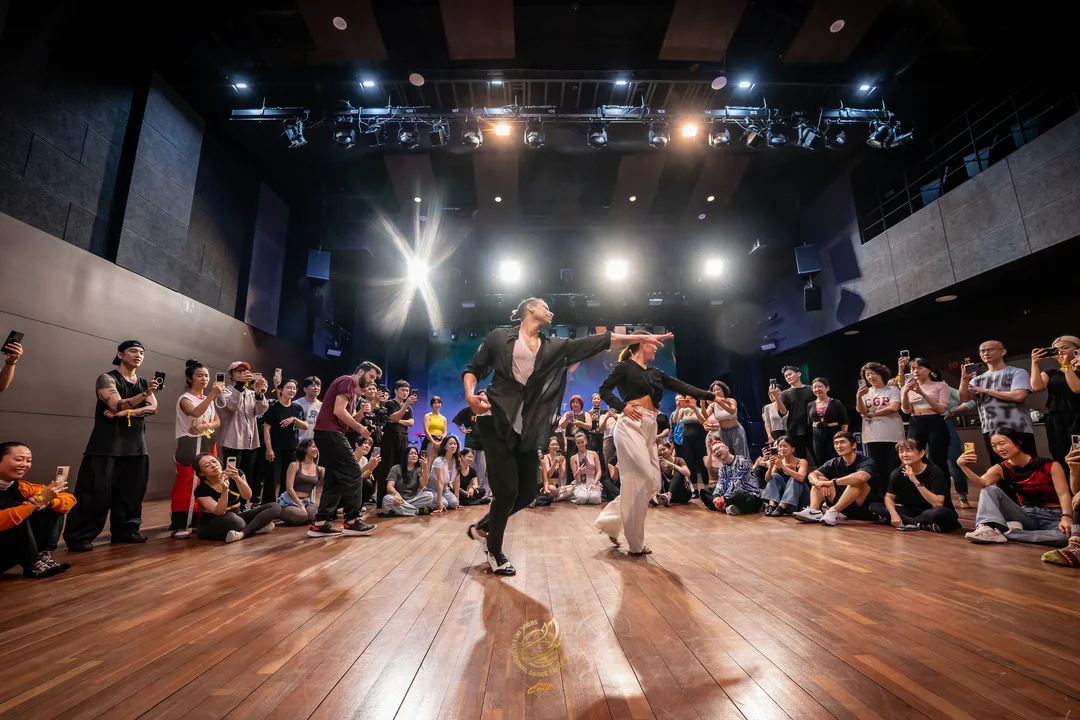
Dance festivals are broadly divided into workshops, performances, socials, and battles. A social is a time when participants freely change partners and dance; a battle is a one-on-one competition on the floor.
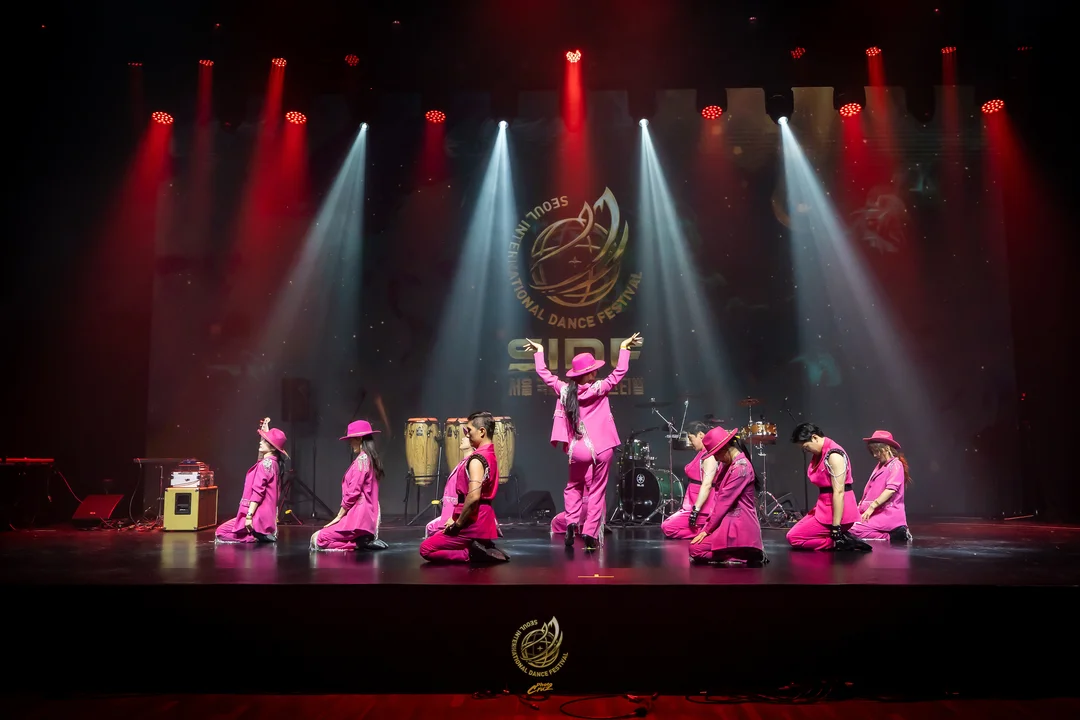
For a visit with a child, watching performances and battles is the least demanding option. Sit, watch, applaud, and talk about it afterward if something catches their eye.
SIDF 2026 comprised workshops, performances, socials, battles, and a live concert over three days from Friday to Sunday. There is no reason to do all three days. In a first year with a child, one daytime viewing program is enough of a goal.
A half-day route: four steps from arrival to going home
- 01
Use the first 20 minutes after arrival just to look around
Find the entrance, restrooms, and places to sit and rest together. Once the space feels familiar, your child will be much less tense.
- 02
Let your child choose one stage to see today
Look at the official timetable together and let them choose. They will watch the stage they chose more closely and have more to say afterward.
- 03
Always leave your seat between stages
Sitting continuously while waiting for the next item drains energy first. Ten minutes outside to drink water and walk extends viewing time.
- 04
Set the departure time before arriving
‘Let’s just see this one more thing’ is hard to keep on site. Set a time before leaving and tell your child too.
It is better not to include nighttime programs in the plan from the start. Socials and live concerts run late and are crowded. If your child is disappointed, that is a good sign: it gives them a reason to come back.


Managing a child’s condition means managing stimulation, not just heat
At an event venue, music is loud, lights change, and people constantly pass by. To an adult it is atmosphere; to a child it is stimulation to process.
Signs to check on site
- They become quiet and stop asking questions
- Their gaze often drops to a phone or the floor while watching
- They touch their ears or say the sound is loud
- They ask ‘When does it end?’ more than twice
If even one appears, do not wait for the stage to end; go out and rest. After five minutes of rest they may be able to watch again, but if they are made to endure it, viewing ends there that day. Every child has a different threshold, so there is no need to compare with other families.
| Item | Bring? | Why |
|---|---|---|
| Water and simple snacks | Essential | Energy drops fastest while queuing or moving |
| A light outer layer | Essential | Indoor temperatures and outdoor temperatures while moving differ |
| Comfortable shoes | Essential | You spend more time standing and walking than expected |
| Equipment to film your child | Optional | Filming rules differ by program, so decide after checking official information |
| A packed all-day schedule | Leave it out | The fuller the schedule, the more the parent, not the child, becomes impatient |
What guardians should check in advance
One thing matters most: age limits, guardian-accompaniment conditions, and child admission and ticket rules differ by event and program and can change every year. Use official information, not reviews or community posts, as your reference.
What to check on official pages before leaving
- Whether children may enter with a guardian and age-related guidance
- Viewing conditions and seated/standing arrangements for each program
- Which programs each ticket type includes
- How to access the venue and whether parking is available
- Rules on filming and belongings
SIDF 2027 will be held at Seoul Sangam DMC from April 23 to 25, 2027. Since the dates and venue are set, align the family schedule early, then check detailed conditions as soon as the official page opens.
The conversation on the way home is today’s result
How many stages you saw is not important. If your child asks, ‘How did that person move their arm earlier?’ the day was more than successful.
Three questions wrap it up: which stage did you like most today, is there a move you want to try, and do you want to come again? If the third answer is ‘yes,’ the first festival has done its job.
SIDF 2026 had 872 participants and left 5,186 official photographs. If you want to show your child the atmosphere of the stage they saw again later, browse the official album together.
FAQ
Frequently asked questions
Is there an age requirement for bringing a child?
Age requirements and guardian-accompaniment conditions differ by event and program and can change every year. Before leaving, check official information for whether children may enter with a guardian and the viewing conditions for each program.
My child learns dance. Can we take a workshop together?
Each workshop states its intended audience and difficulty differently. For a first visit, it is safer to plan the day around viewing and decide on workshop participation after checking the relevant audience guidance on that year’s official timetable.
Should we stay for the nighttime social or live concert?
It is not recommended for a first visit. Nighttime programs run late and are crowded, making it hard to manage a child’s condition. Ending with daytime performances and battle viewing and keeping the departure time sets up the next visit.
SOURCE
Official information & references
Dates, venue details, and rules are checked against the sources below and current SIDF pages.
- SIDF Official Schedule Guide Check daytime viewing programs and audience guidance for each program
- SIDF Official Ticket Guide Check programs included with each ticket and guidance on bringing children
- SIDF Official Venue Guide Check access to Sangam DMC and the on-site layout
- SIDF Official Photo Album Check the real viewing environment for performances and battles
This guide is free to read thanks to our partners
Interested in partnering with SIDF? Contact us