Quick answer
The short version
The first thing to check is not the child's skills, but five pieces of information. What genre of dance the child is talking about, what expenses are included in addition to the academy fee, whether the practice space and instruction method are safe, what types of opportunities to perform on stage are available, and whether the child wants the stage, friends, or music. Career decisions come next, and usually don't have to be made now.
If you heard someone say, “I want to learn how to dance” while eating dinner.
A 5th grade elementary school child puts down his spoon and says. I watched the video with my friends and danced along and it was fun. School fees, timetables, and the phrase, “What are you going to do with that?” come to mind at the same time.
There is no need to give an answer on the spot. However, there are about five pieces of information that can be confirmed between “No” and “Yes, try it.”
This article does not decide whether to register for you. Instead, we'll give you a list of questions you should have on hand before you call.
1. Start by narrowing down what kind of ‘dance’ your child is talking about.
The child says “dance” as one word, but the academy sign is much more segmented. Even street dance has different textures like hip-hop, popping, rocking, and waxing, and broadcast dance, where you learn idol choreography, is a different class.
If you register without narrowing down the genre, the class your child imagines will be different from the actual class. I wanted to imitate the idol stage, but if you repeat the basic isolation for several months, the fun starts to wear off.
Three sentences to ask your child
- Out of all the videos you've seen, would you like to show me the one scene you wanted to do the most?
- Do you like dancing alone or with others?
- Do you like being on stage or just learning?
Even if you only have three sentences of answer, you can ask during counseling not “Which class is right?” but “This child wants this, which class is it?”
2. Ask about one year’s worth of ‘cost items’ rather than monthly tuition.
The amount varies from academy to academy and region to region. So we need to get the items first before comparing the numbers. Even if the tuition fee is the same, if the items attached are different, the total amount for a year can increase significantly.
| Check items | Ask like this |
|---|---|
| Basic tuition | How many times a week is the standard, and is there reinforcement for absences? |
| Costs in the nature of registration and textbooks | Are there any additional items to be paid only in the first month? |
| Costumes and props | Do I have to buy a new one for each performance or can I rent it? |
| Event participation fee | Do you pay a separate participation fee when participating in a competition or presentation? |
| video/photo | Is the photocopy included in the tuition fee or is it paid separately? |
| Additional Practice | Is there a fee to use the practice room outside of regular classes? |
In particular, most of the burden is the costs incurred during the performance or competition season. Before registering, you can have a plan by simply asking, “How many events are scheduled this year and what will parents pay for to participate?”
3. See the practice space and teaching method with your own eyes
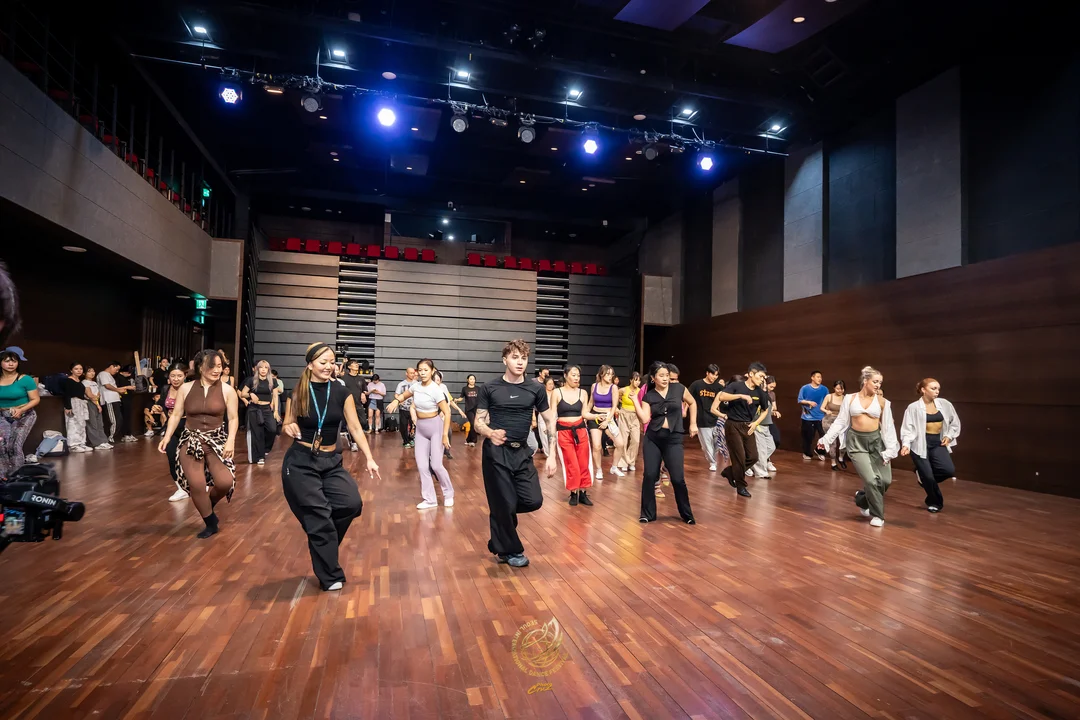
This is the room where your child will spend several hours. A few photos can't tell you the elasticity of the floor, ventilation, or places for children to rest. If possible, visit during class time.
Check on site
- The material and condition of the floor, whether it is slippery or hard.
- Is there ventilation, heating and cooling, and a place to drink water and rest?
- The number of people in a class, the number of instructors, and whether the eyes of the child behind you are visible.
- The academy's response to how to respond when someone says they are sick
- Is there an observation window or regular observation date that parents can view?
- Curfew time, route, and contact method when there is a late practice.
The teaching style is revealed more quickly in the child's facial expressions. After a trial class, ask “What was the most difficult today?” rather than “Did the teacher say you couldn’t do it?” It is important that your child feels comfortable talking about difficulties.
If pain comes up, it is best to reduce your movements that day, rest, and if it recurs, seek professional advice. Growth speed and physical strength vary greatly from child to child.
4. ‘Competition’ is not the only type of stage experience
Many parents think of competition report cards. However, most of what a child gains is not in the ranking but in the process ahead. A few minutes to memorize the order, keep time with your teammates, and hold the starting pose in front of strangers.
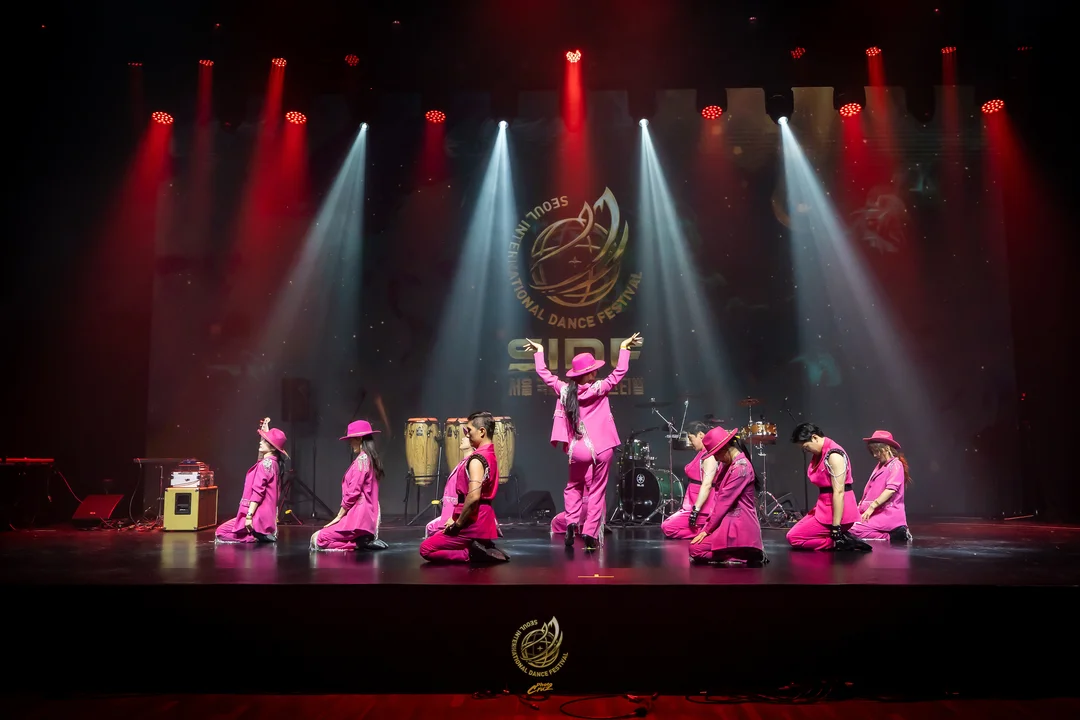
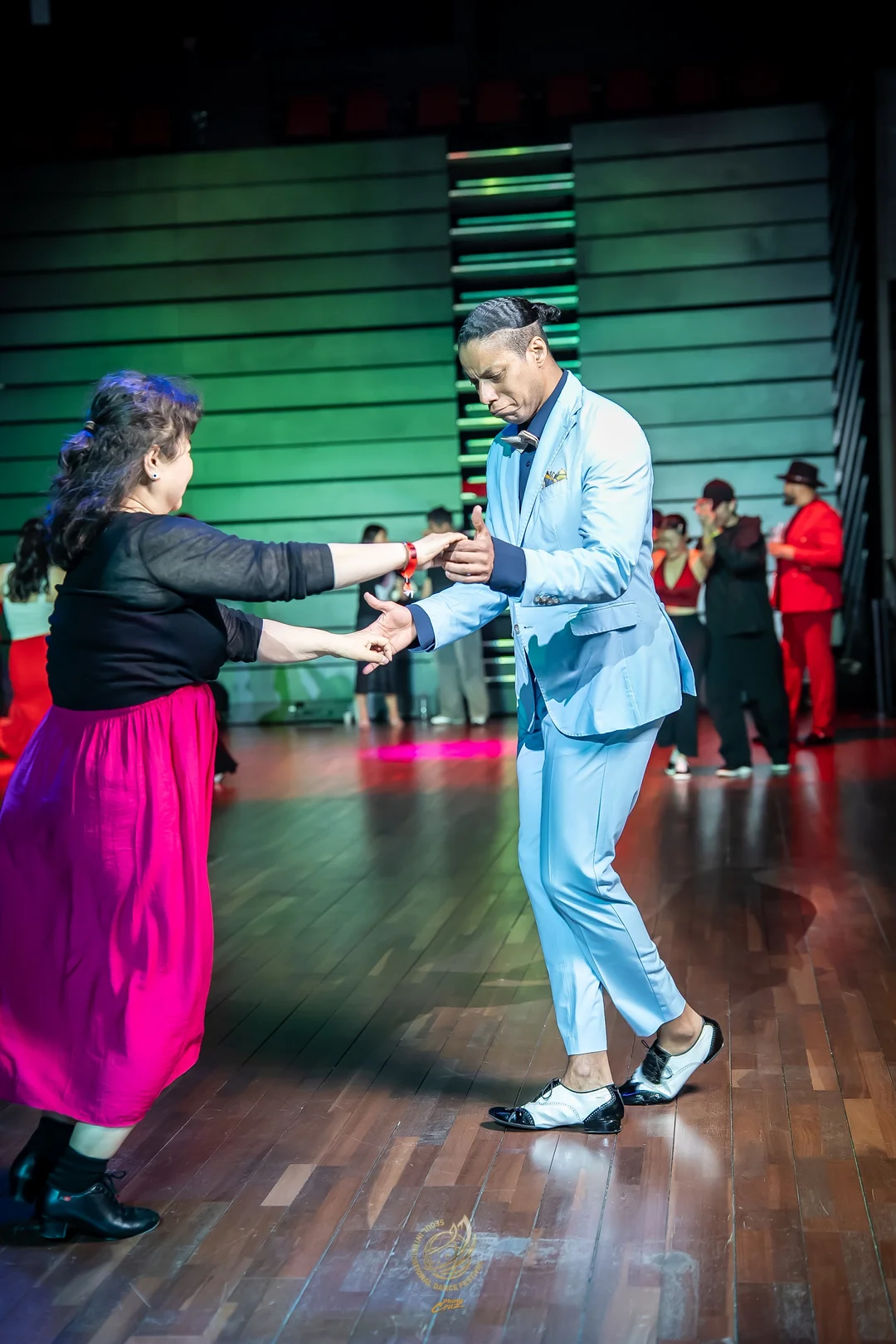
There are stages other than competitions. The program takes the form of school presentations, local events, and festivals. SIDF 2026 consisted of workshops, performances, social events, battles, and live concerts for three days from Friday to Sunday, and 872 people participated. There are only 5,186 official photos left.

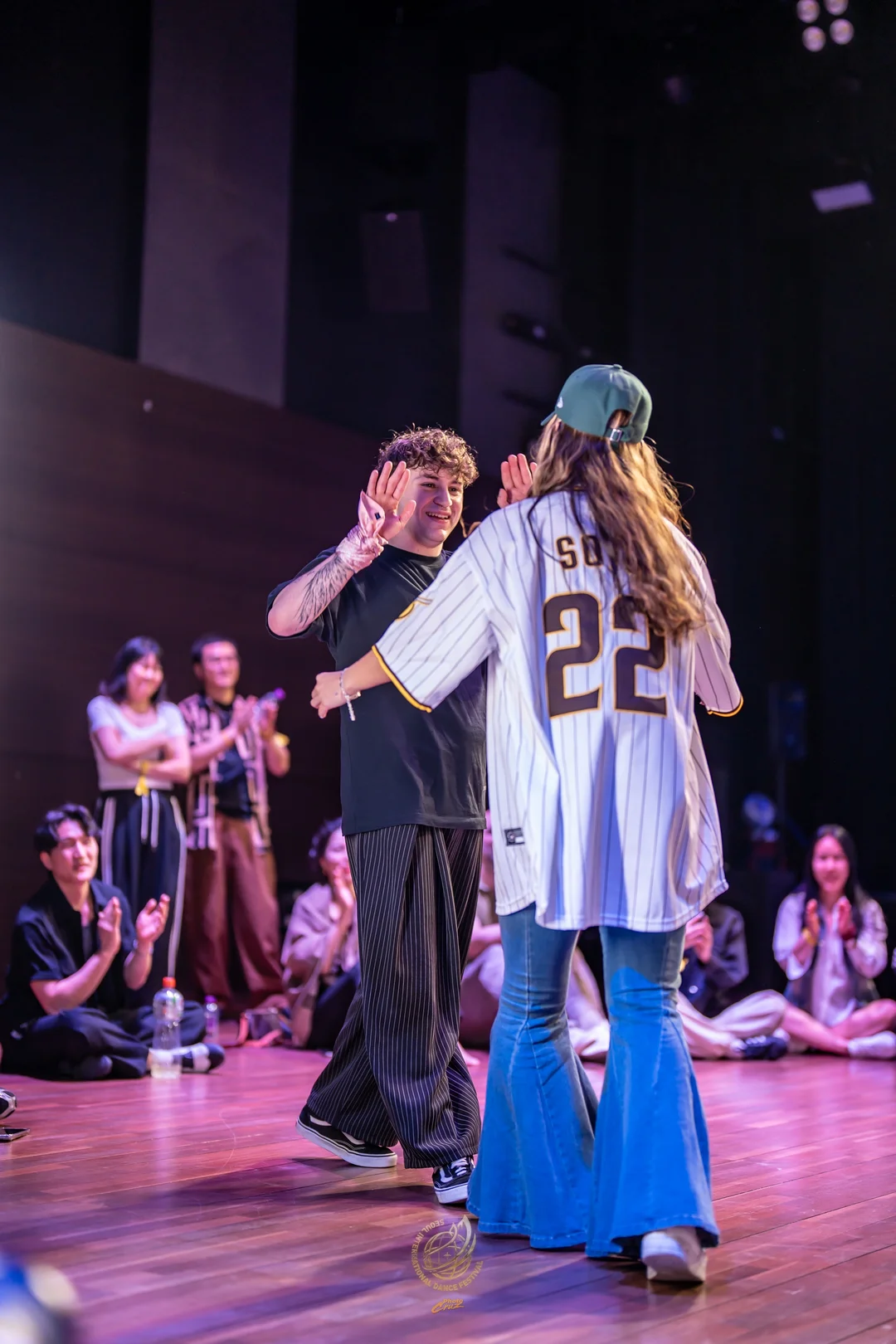
THE SAUCE, a genre crossover 1:1 battle, uses first-come, first-served advance registration. The next session will be held at Sangam DMC in Seoul from April 23 to 25, 2027. To see which side your child responds to, you may want to take him or her as an audience member before registering.
5. Dancing may not be what your child wants
It may be that you want to spend time with your friends, that you like the feeling of your body moving freely, or that you remember receiving applause in front of people. All three are good reasons.
- 01
We agreed to try it for only 3 months.
Let’s not talk about career paths and just decide on a time frame. The burden is reduced on the child, and parents can also postpone big decisions.
- 02
talk once in a while
Instead of asking, “Do you want to continue?” ask, “What are you most excited about these days?” If the answer is about class, keep it open. If the answer is only about friends, keep other options open.
- 03
Clean up results at the end
Have your child tell you about one thing he did well and one thing he had a hard time with. This record will serve as the basis for decisions for the next semester.
About the saying, “Dancing doesn’t help your career”
If you look at the probability of getting a job, it is low in any field. The same goes for soccer and piano. But we don't let our kids play soccer because they think they'll become professional players.
This is what the child repeats in dance class: Be aware of your body's condition, match the beat with others, re-practice the parts you missed, and present what you have prepared in front of people at a set time. There are few career paths where these four become obsolete.
And what middle school students are deciding now is not their career path, but the density of their hobbies. Your life doesn’t decide when you start taking classes twice a week. You can quit at any time.
The decision that needs to be made now is not ‘Should I raise this child to be a dancer?’ but ‘Would I give this child two days a week this semester?’
FAQ
Frequently asked questions
At what age is it best to start people learning to dance?
There is no set age. If you are in the lower grades of elementary school, you will often choose classes that are closer to play, and if you are in the upper grades or middle school, you will often choose classes that are divided into different genres. When the child shows interest, start with a hands-on class, and check with the parents to see if the intensity is easy on the body.
Can I know in advance how much the academy fee will be?
You must check the price directly as it varies depending on the region, academy, and number of classes. Instead, first get a list of items like tuition, clothing, event attendance fees, videography, and additional practice room use so you can compare your budget for the year.
Do you have to participate in competitions to improve your skills?
Competitions are one of several stage forms. The preparation process is the same for non-ranked stages, such as presentations or festival performances. If your child tends to be intimidated by competitive situations, it is better to first experience watching or participating programs.
SOURCE
Official information & references
Dates, venue details, and rules are checked against the sources below and current SIDF pages.
- SIDF official schedule information Check the composition of workshops, performances, and battles and programs available for participation by age.
- SIDF official ticket information Check available passes and current prices for viewing-only participation.
- SIDF Official Photo Album Check the actual environment of the stage, battle, and workshop
This guide is free to read thanks to our partners
Interested in partnering with SIDF? Contact us