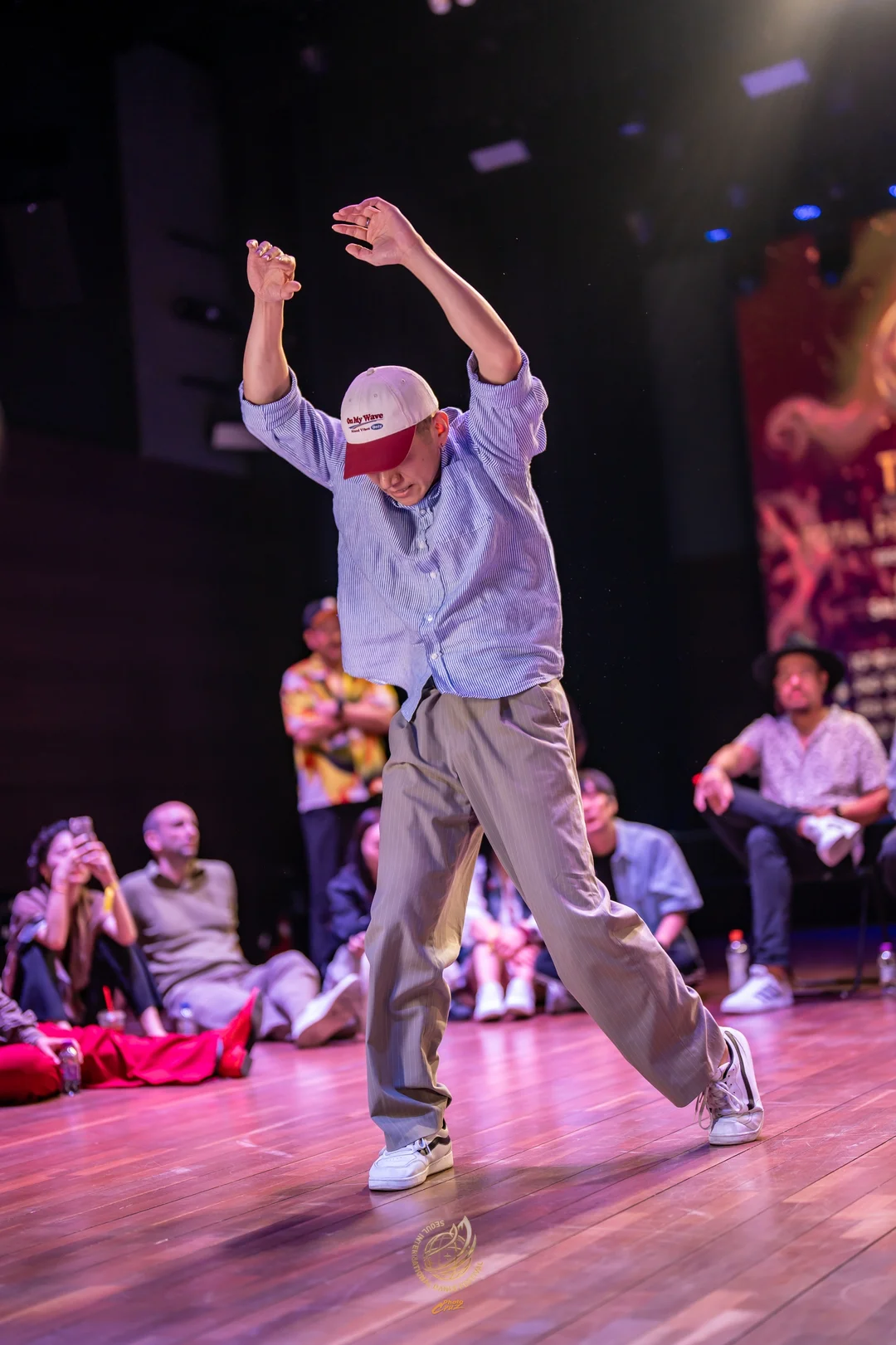
Quick answer
The short version
A competition is a place where rankings are determined based on a set standard, and a festival is a place where time comes to learn, see, and hang out. Skills do not develop only in competitions. If your child is the type that gives strength when the standards are clear, competitions come first. If your child is the type that relaxes only when people and situations are comfortable, festivals come first. You can switch the order, or do both within the same year.
“They say if you don’t participate in competitions, your skills won’t improve.”
This sentence keeps coming back to me on the way out from the academy consultation. The kid in the class next to me is already preparing for his third competition, but my kid has never been on stage before.
The first answer is that competitions are one of many ways to improve your skills, not the only one. There are children who are great at competitions, and there are children who start hating dancing itself once they start competing.
In this article, we will break down the structural differences between the two stages and outline the criteria for choosing which side your child will be less injured and last longer on.
The two stages are designed for different purposes.
The point of the competition is comparison. There are judging standards, and the results are determined by how well the standards are met within a set time. The goals of the preparation period are naturally narrowed to fit that standard.
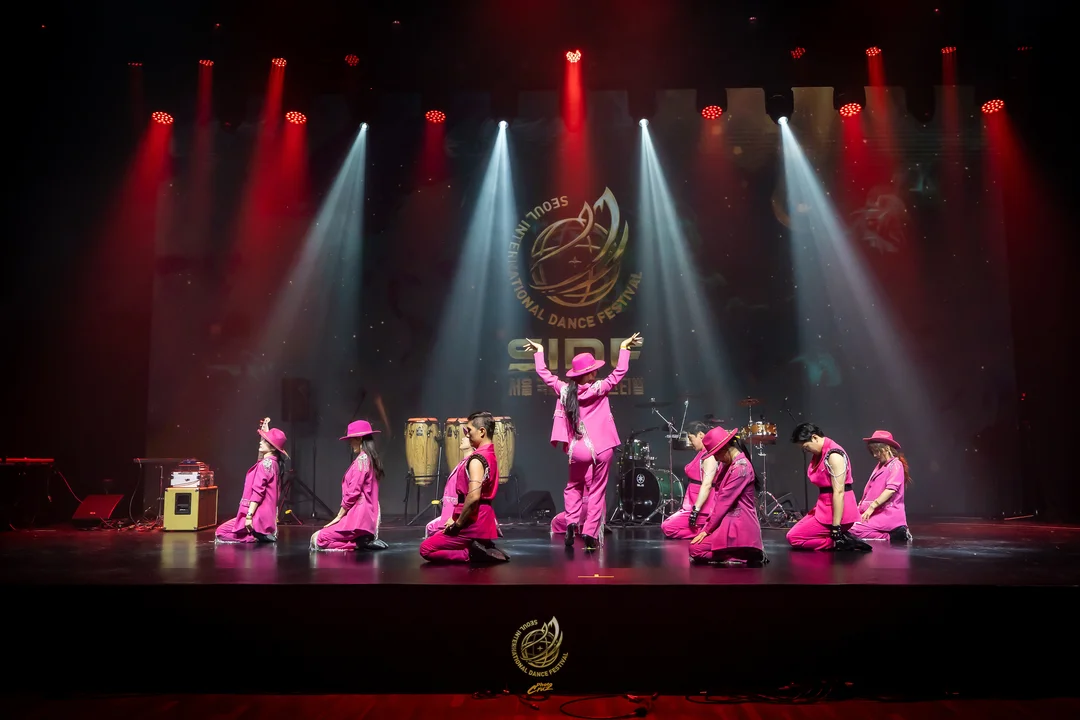
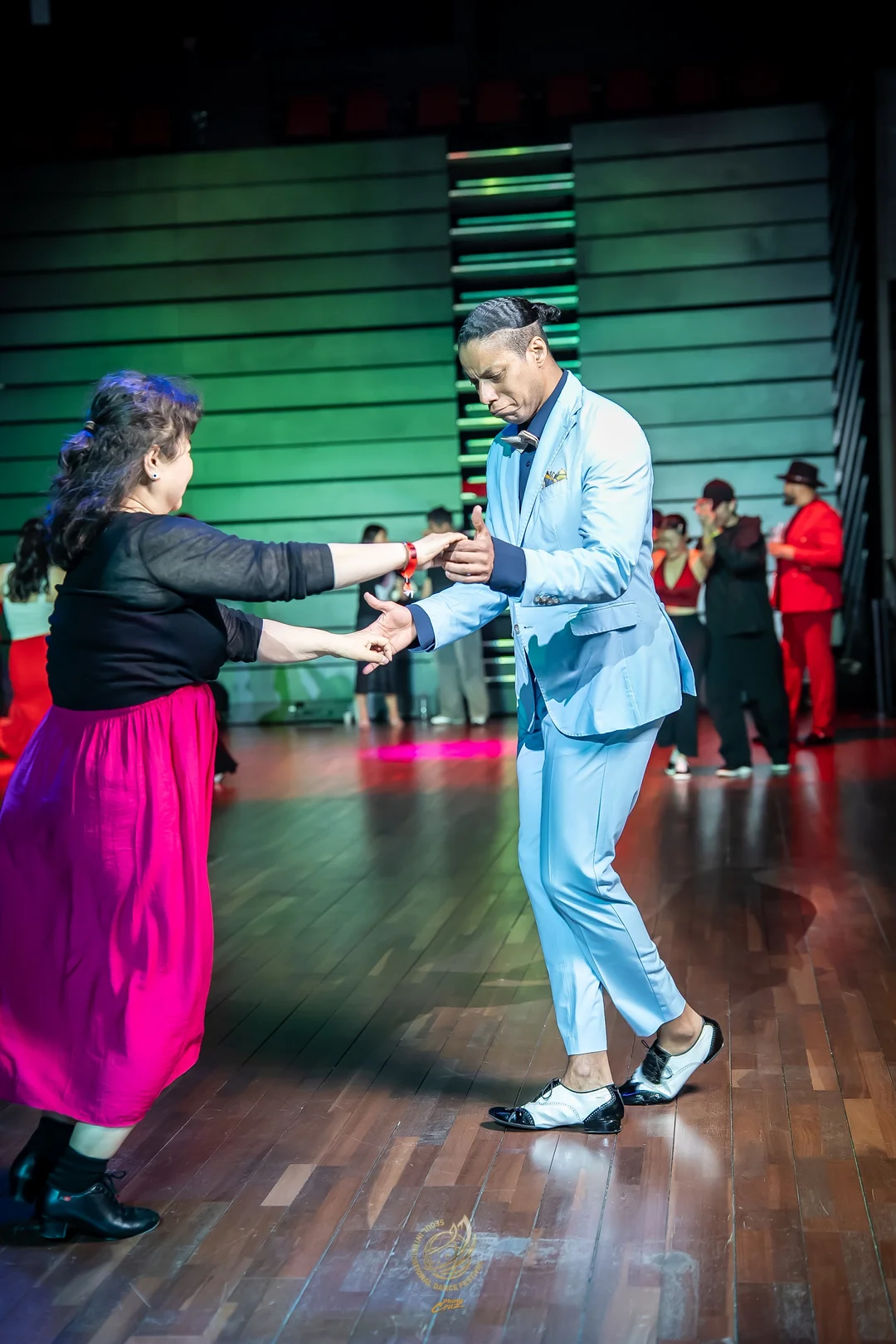
The key to festivals is exposure. Take classes, watch other teams perform, and stand on the same floor as people you've never met. Here, social means the time to freely ask each other to dance and dance together.
| division | competition center | festival center |
|---|---|---|
| evaluation | Ranking according to screening criteria | No fixed ranking |
| Preparation method | Repeat and complete a set routine | Experience multiple classes and impromptu situations |
| time structure | One short, focused performance | Multiple programs spanning multiple days |
| people you meet | competitors in the same category | Participants of different genres and ages |
| What the child gets | Experience in achieving goals and withstanding pressure | Expanding options, relationship experience |
| When things don't go well | Attaching self-value to results | Just spending time wandering around without a goal |
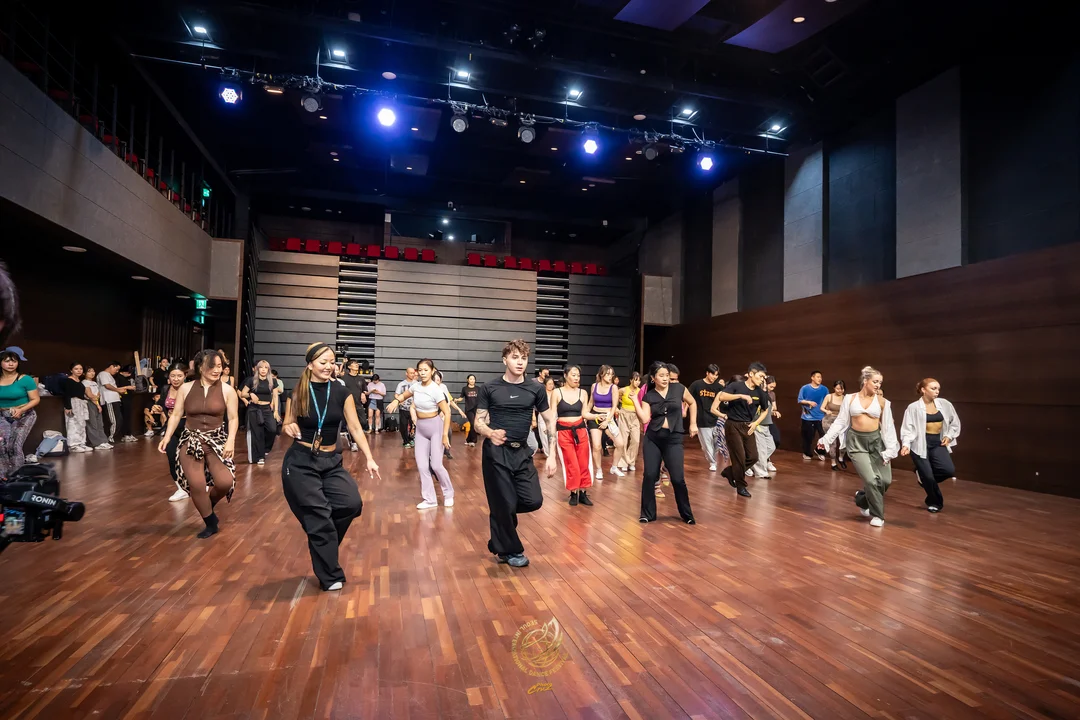
A child's personality is revealed in the practice room, not on stage.
Just because you're nervous on stage doesn't mean you're not good at competing. It is more accurate to make judgments in everyday scenes.
competition signal
- Don't get bored repeating the same movements until they're done.
- Ask “Where did you go wrong?” rather than “What rank are you in?”
- Once a target date is set, practice density increases noticeably.
- Even on bad days, I tell myself what my next plan is.
festival signal
- When I see a new genre video, I try to imitate it right away.
- Your movements improve when you dance with a friend rather than practicing alone.
- Even forget what you learned in situations where you are being evaluated.
- Expressions come alive when you improvise rather than choreographed choreography.
The most children straddle both lists. In that case, see which signal comes out more often and which one the child gives up on first when he or she is tired.
Skills improve not because of competitions, but because of the habits of preparing for competitions.
When we say competitions improve skills, what really works is deadlines and repetition. Once the date is set, practice becomes more detailed, and you end up refining the same section dozens of times.
That deadline doesn't have to be a competition to make it happen. If there is a schedule that requires “complete by that day,” such as a presentation, team video shoot, or participation in a festival performance, the same pressure arises.
On the other hand, there are some things you only get at festivals. The experience of seeing the level outside of your own academy and matching the beat with someone you have met for the first time will not appear on the rankings.
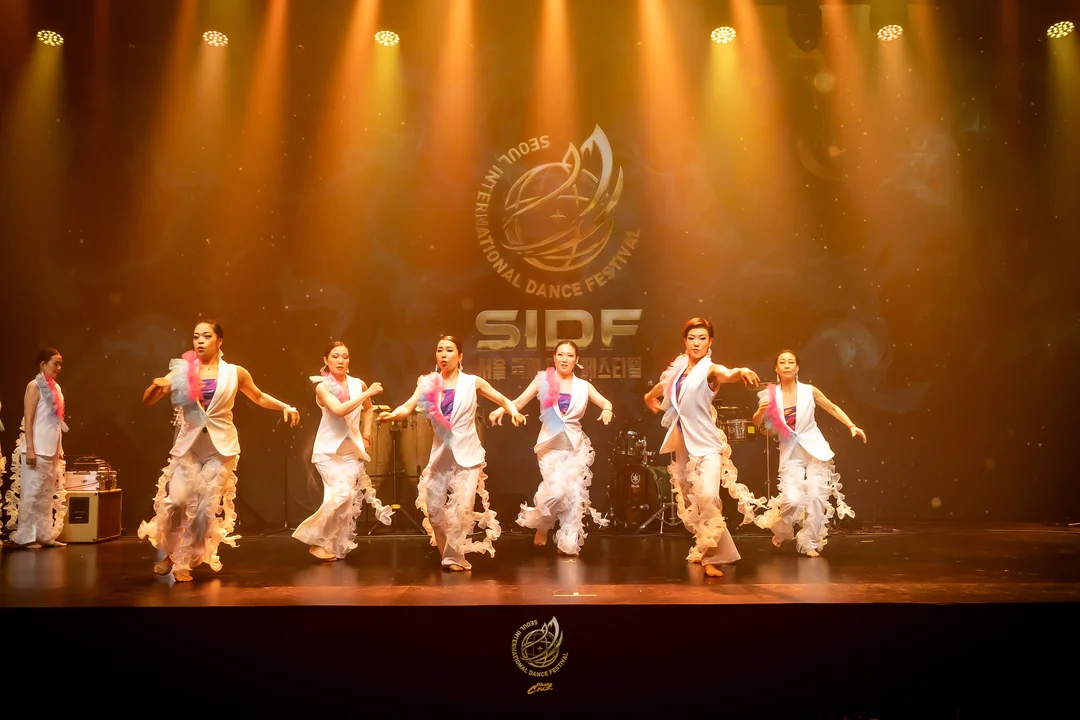
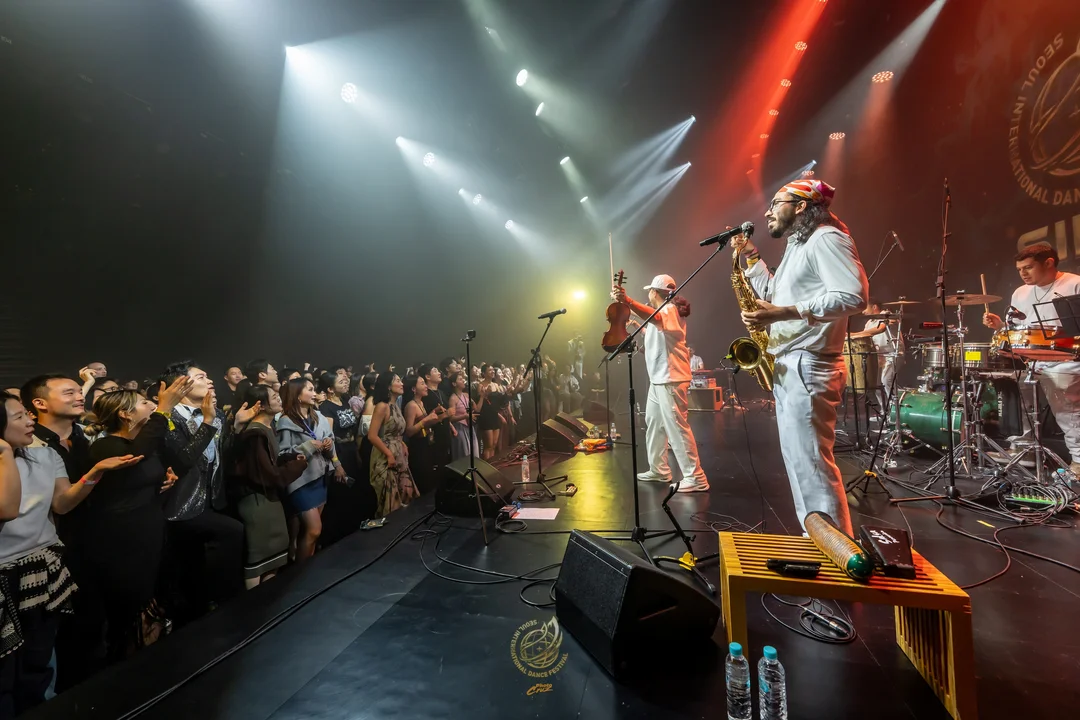
Competition and experience come together in one event.
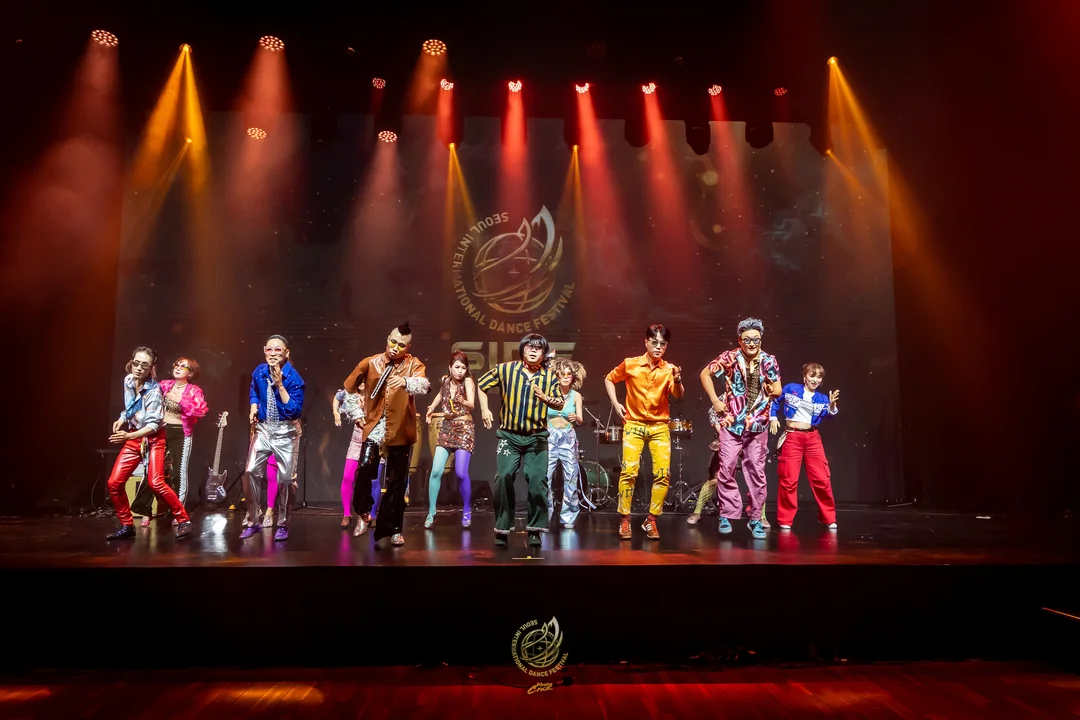
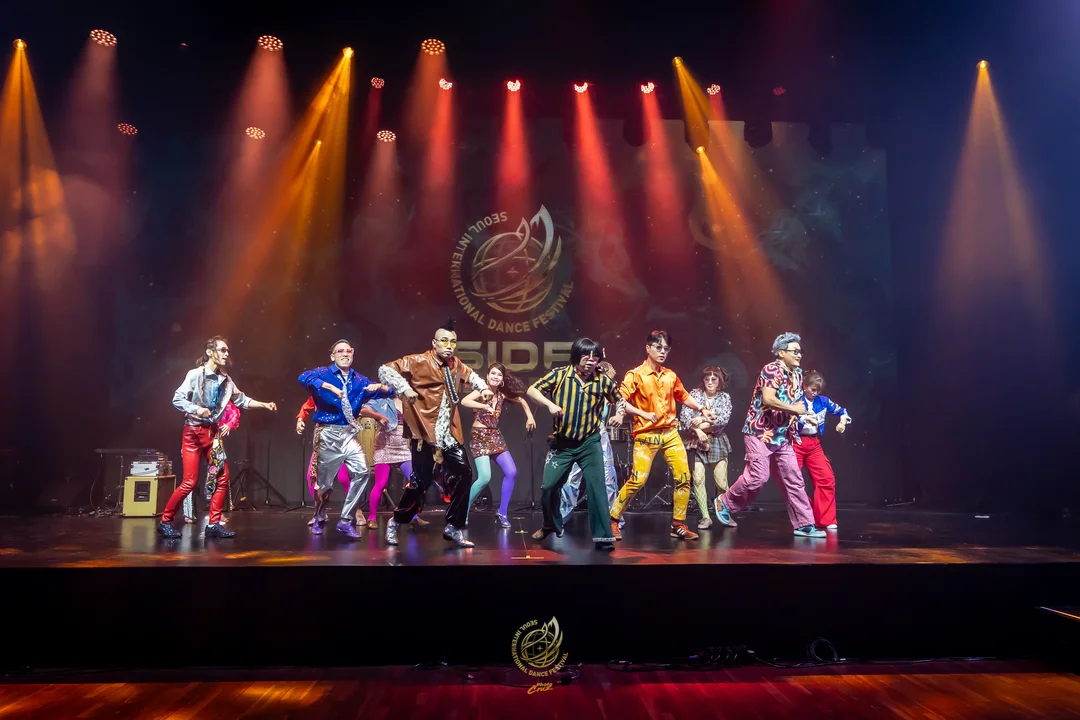
You don't necessarily have to experience both at different events. SIDF features workshops, performances, and social events, as well as a genre crossover 1:1 battle called THE SAUCE.
This means that your child can see both the competitive circle and the just-fun floor in the same space. You can adjust the intensity by just watching the battle and participating in social.
When the first words out of your child's mouth are "I want to stand in that circle," it's time to consider a competitive stage.
Decide in this order at least once this season
- 01
Ask your child about their purpose first
“Do you want to be told you’re good this time, or do you want to try something new?” The answer to this one question determines half of the stage type.
- 02
Let’s start by taking a look
Before applying for participation, I go to see any competition or festival. The child's reaction after seeing the atmosphere on site is the real data.
- 03
Decide, including your recovery plan
If you choose a competition, decide in advance what you will do if the results are bad. Having your next goal ready will keep your ranking from becoming a self-assessment.
- 04
Ask again in one season
Propensity is not a fixed value. It is not uncommon for a child who gains confidence at a festival to want to battle the following year.
Choosing a stage is not about judging a child’s skills. Now it's more about seeing what pressure the child can withstand and what stimulation he or she responds to.
If you're thinking about your first performance this year, check out the programs available on the official schedule page and choose one with your child.
FAQ
Frequently asked questions
Do you really not improve your skills if you don’t participate in competitions?
The competition itself does not create skills. There is a deadline and the process of refining the same section over and over again builds skills. Any schedule with a completion deadline, such as attending a presentation or festival performance, will result in a similar density of practice.
If your child is afraid of competition, should you force him or her to participate?
It's hard to recommend. If a child forgets what they have learned in an evaluation situation, it is better to first familiarize them with the stage environment through non-consequential experiences such as viewings and workshops. When your child says they want to compete on their own, it's never too late to review.
What do I do when I take my child to the festival?
Each event is different, but usually involves taking classes, watching performances and battles, or hanging out on the social floor. Programs you can participate in vary depending on age and time zone, so check the official schedule and guidance for the year first.
SOURCE
Official information & references
Dates, venue details, and rules are checked against the sources below and current SIDF pages.
- SIDF official schedule information Check how workshops, performances, social, and battles are arranged
- SIDF Official Photo Album Check out the real atmosphere of Battle One and the Social Floor
- SIDF Official Ticket Guide Comparison of coverage of spectator-centered participation and total participation
This guide is free to read thanks to our partners
Interested in partnering with SIDF? Contact us