Quick answer
The short version
A child’s first genre is an entrance, not a lifelong major. It is enough to narrow the field to two or three by watching how they respond to music, use their body, and stand before others. Hip-hop and K-pop are easy to enter; popping, locking, waacking, and krump have distinctive personalities; salsa and bachata train dancers to breathe with a partner. The rule that they must dig into only one genre has already been broken on today’s stages.
“Which genre should our child take?”
It is the question heard most often at academy consultation desks. The child is shaking their shoulders in front of a mirror while the parent alternates between the timetable’s words: hip-hop, popping, K-pop, commercial dance.
The answer is not in a genre list. It is in what moves first when the child hears music.
This article reduces the differences among eight genres to a sentence each and matches them to four kinds of temperament. It then answers the claim that a child ‘must specialize in just one.’
A genre map: it comes down to three broad groups
Even if an academy timetable has more than ten names, there are three roots: solo street dance, K-pop danced to matched choreography, and Latin danced in pairs.
| Genre | What the body uses first | What classes often do |
|---|---|---|
| Hip-hop | Bounce in the knees and upper body | Finding rhythm, basic steps, freely linking moves |
| Popping | The sensation of quickly contracting and releasing muscles | Stopping and hitting exactly on the beat |
| Locking | Arm direction and points at the fingertips | Locking and releasing quickly while making eye contact |
| Waacking | Arm rotations and use of gaze | Throwing arms on strong beats and striking poses |
| Krump | Stomping feet and big breath through the chest | Using big energy and pushing emotion outward |
| K-pop | The angles of movements and formations | Memorizing choreography to lyrics and sections, expression before a camera |
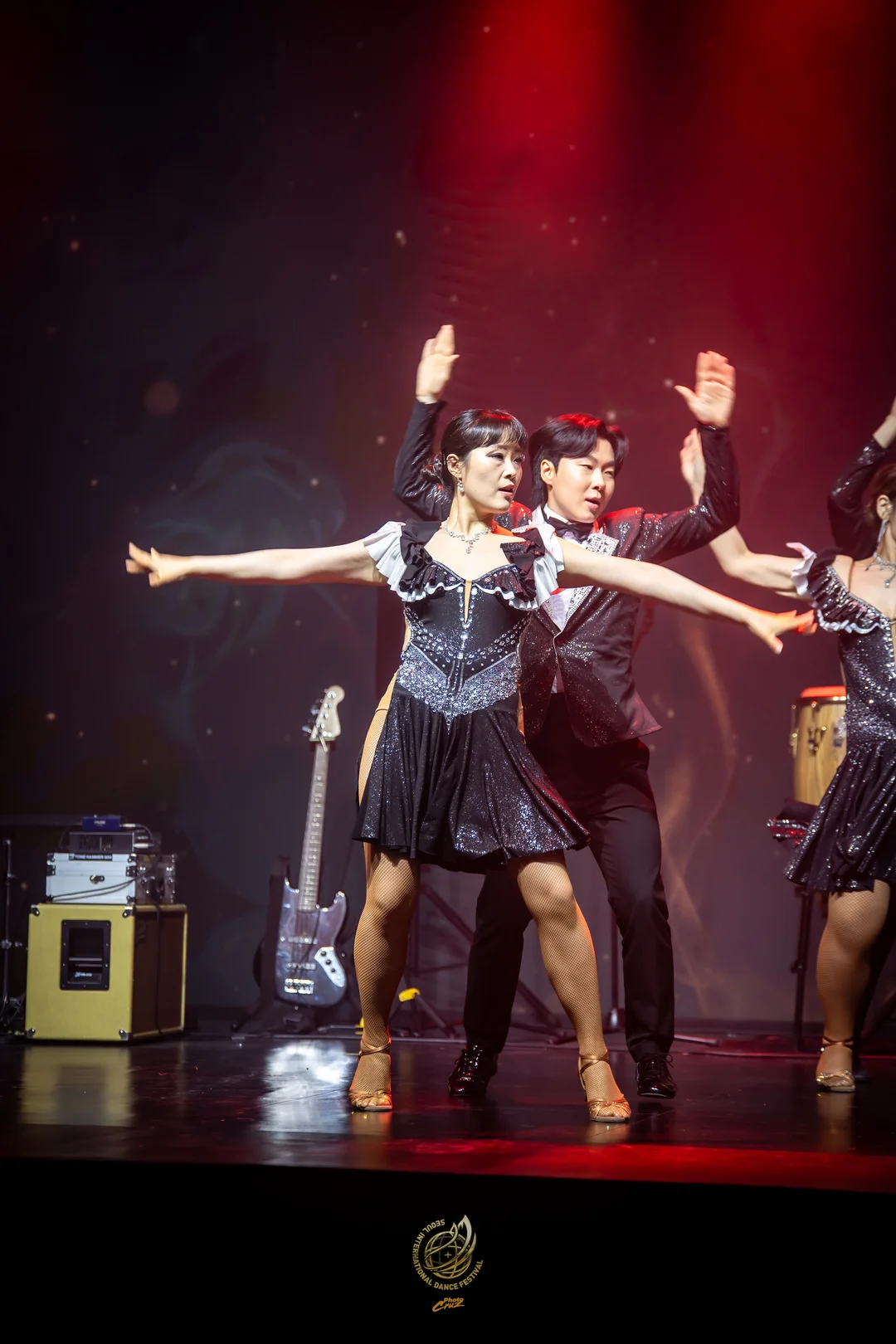
| Salsa | Fast footwork and partner lead/follow | Counting beats, linking turns while holding hands |
| Bachata | Weight shifts and soft waves through the torso | Steps to slower beats and matching breath |
There is no need to memorize the chart. Show your child 30 seconds of video from each genre and see which one they try to imitate.
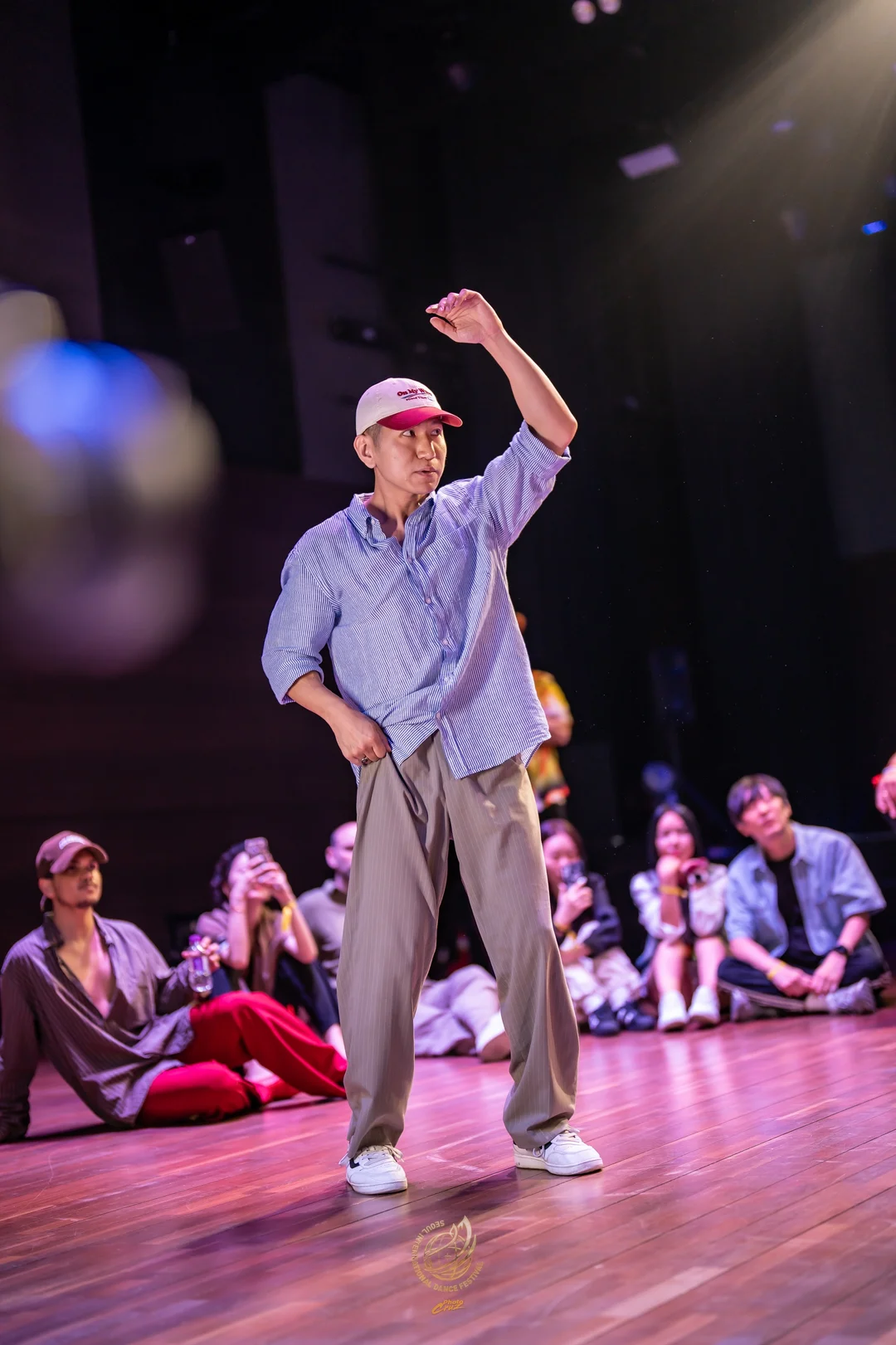
Use four temperaments to narrow the candidates to two
- 01
A child who cannot stay still and starts shouting
A genre that uses energy on a big scale, such as hip-hop or krump, feels more comfortable. A class that uses it all and then settles down suits them better than one that suppresses it.
- 02
A child who likes precision and hates being wrong
Genres such as popping and locking, which stop precisely on the beat, offer a sense of accomplishment. They can see for themselves whether they did it well.
- 03
A child who makes expressions in front of a mirror
K-pop and waacking are candidates. In both, gaze and expression matter as much as movement, so the desire to stand out becomes practice motivation.
- 04
A child more comfortable with a partner than alone
Look at salsa and bachata. Because they read and respond to a partner’s signals, even a child who finds standing out burdensome finds their own role.
Where did ‘you must specialize in one genre’ come from?
There used to be a basis for this. Stages were separate by genre, and entering a battle required learning that genre’s grammar for a long time.
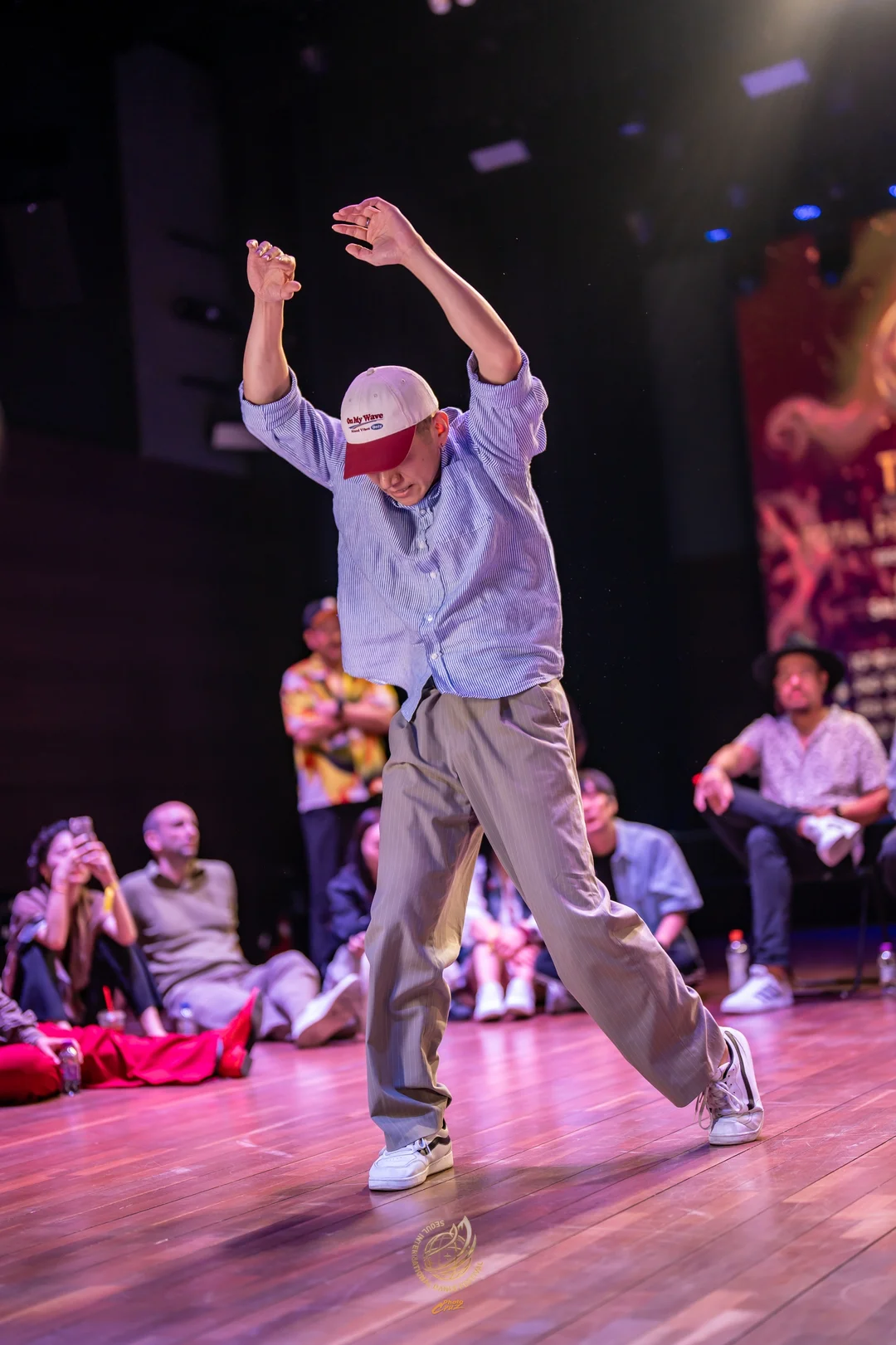
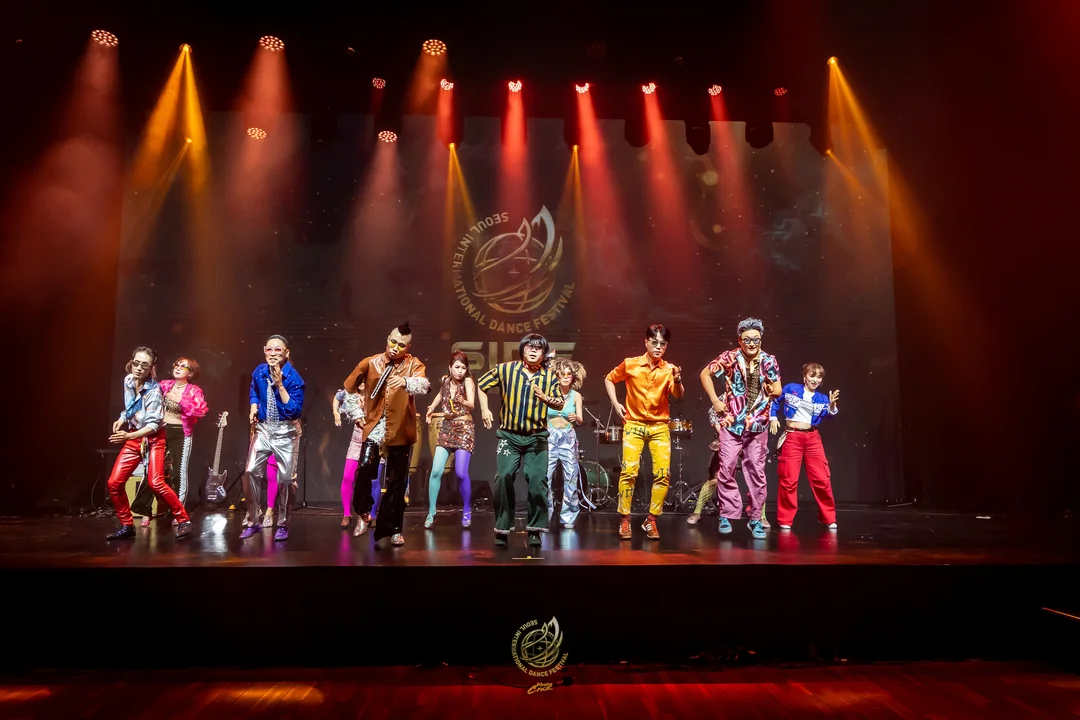
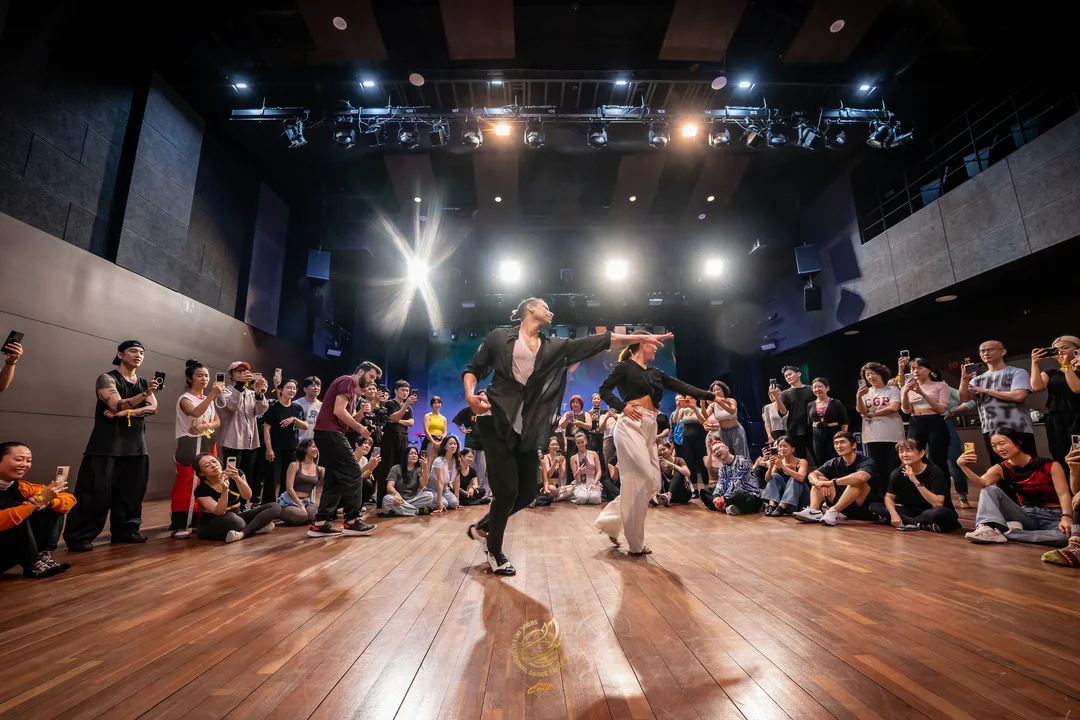
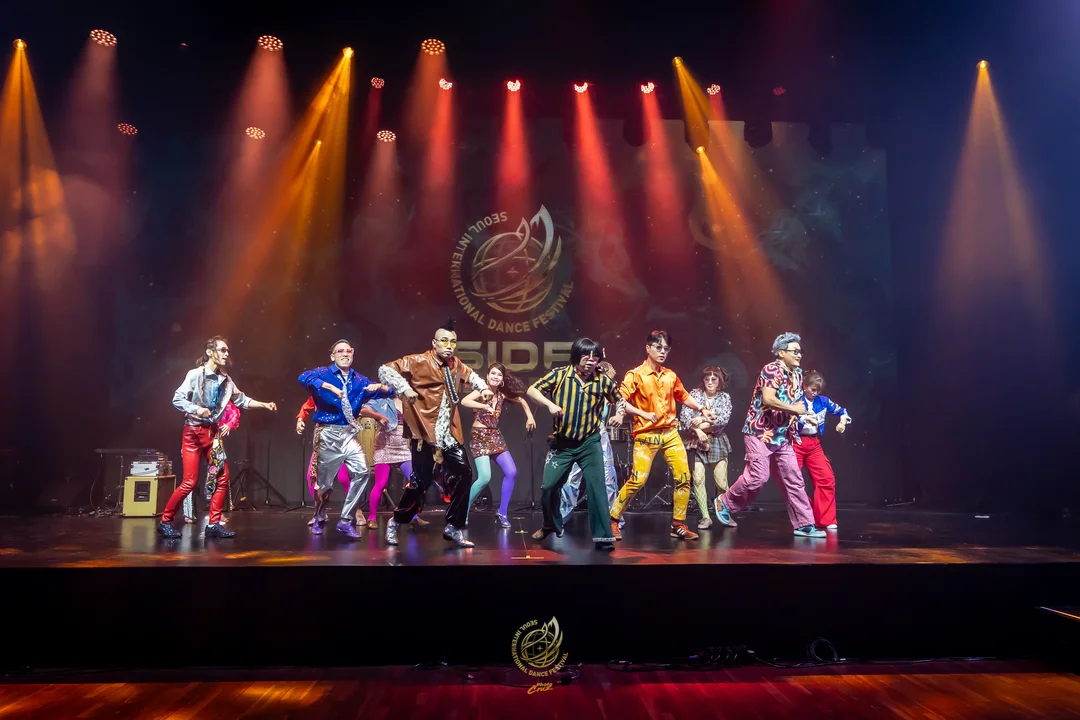
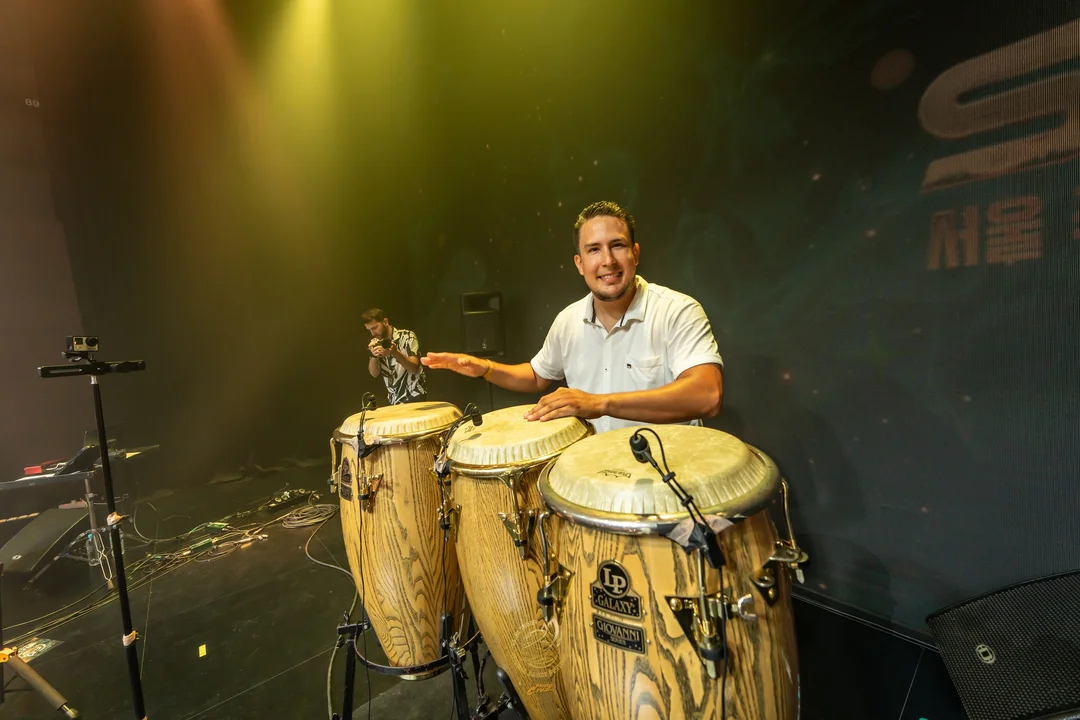
Today the stages are mixed. SIDF 2026 alone held workshops, performances, socials, battles, and a live concert within one event over three days, where 872 participants with different backgrounds shared the same space. THE SAUCE is explicitly a cross-genre one-on-one battle: a popper and a salsero face each other in the same circle.
Depth is of course necessary. But that depth is not something to decide in an elementary student’s first year. Once basic rhythm and stage experience build up, the child chooses for themselves which genre to keep.
Doing one genre for a long time and knowing only one genre are not the same thing.
Practical things to check before choosing a genre
What to check when looking at an academy or class
- How much of a one-hour class is spent warming the body up
- Whether there is a separate class suited to the child’s age or they join an adult class
- Floor condition and shoe rules, especially for genres that use feet forcefully such as krump and popping
- How many stage opportunities there are each year and the approximate participation-fee burden
- Whether the atmosphere lets a child rest when they say they are struggling
Genre matters less than whether the child can repeat the movement comfortably. If a particular move hurts, stop that move. If the same discomfort keeps returning, pause the extra practice instead of treating it as something to push through.
One thing matters more than genre: what the child talks about after class. If they talk about moves, it is a good fit; if they only talk about what someone said to them, it may be time to try another class.
The fastest way to show several genres at once
One stage is faster than ten videos. A child accurately remembers the genre that makes their own body twitch when they see it from the audience.
SIDF is a comprehensive festival in which several genres unfold within the same event over three days. Workshops run during the day; performances and a live concert in the evening; socials at night; and THE SAUCE battle on Sunday. The street lineup is also scheduled to expand, making conditions even better for comparing genres.
The 2027 event will be held at Seoul Sangam DMC from April 23 to 25. Even one day with your child changes ‘What should I enroll them in?’ to ‘I want to learn that.’
FAQ
Frequently asked questions
Can an elementary student learn street dance and K-pop together?
There is no reason it would be a problem if their schedule and energy can handle it. Hip-hop rhythm is directly useful for K-pop choreography, and training to memorize choreography helps with learning routines in street classes. However, set rest days first if the schedule grows to three or more times per week.
My child is very shy. Would a battle genre be too much?
There is no need to enter a battle from the start. They can begin by watching as an audience member, or build stage experience through a format that does not put them alone in the spotlight, such as paired salsa or bachata. Let the order match the child’s pace.
If they change genres halfway through, was what they learned wasted?
No. Counting beats, sensing body position without a mirror, and the habit of taking a starting pose in front of people remain when genres change. Changing becomes a loss only when the child keeps moving without knowing why.
SOURCE
Official information & references
Dates, venue details, and rules are checked against the sources below and current SIDF pages.
- SIDF Official Schedule Guide Check how workshops, performances, socials, and battles are arranged
- SIDF Official Photo Album See stages and viewing environments by genre in photographs
- SIDF Official Ticket Guide Check passes available for a viewing-focused visit
This guide is free to read thanks to our partners
Interested in partnering with SIDF? Contact us