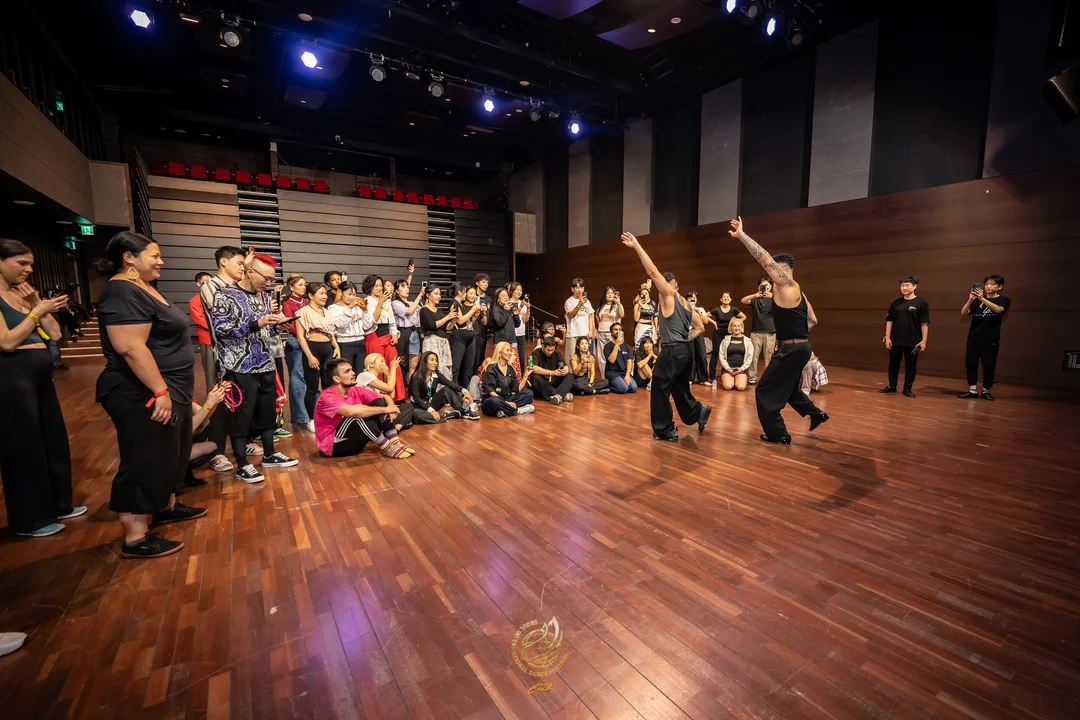
Quick answer
The short version
For salsa workshops in Seoul, comfortable clothes, shoes you have already worn, water, a small towel, an extra top, and a power bank are enough. The bigger decision is your schedule. Pick one must-do class, one class you are curious about, and leave one slot open. At SIDF that spare hour is often what keeps the evening show and social fun instead of exhausting.
What needs to be emptied before the bag is the desire to ‘listen to everything’
When you first look at the festival schedule, you feel like a person holding a buffet plate. I want to hear this and I don't want to miss that. But if you complete three workshops in a row and then find yourself nodding off during the night's most anticipated performance, you haven't made the right choice.
SIDF is not just an event where you take classes, but also a festival that includes performances, battles, and social activities.
You need to divide your stamina based on the entire day.
8 ways to create a tireless workshop
- 01
Choose difficulty based on learning speed, not ego
You need to be able to do the basic steps without thinking about them so you can focus on new patterns and expressions. It's okay if your first class is one level easier than you expected.
- 02
Do not break in new shoes at the festival
Check in advance whether it fits your feet and whether it is too slippery or catches on the floor. When choosing shoes, safety and fatigue come first before fashion.
- 03
If the front row is a burden, find a diagonal view
It is best to have a seat where you can see both the instructor and the mirror and do not block access. Even if you are behind, you can learn enough as long as your view is open.
- 04
Don't try to copy all movements like in a video.
Choose one of the following: rhythm, weight movement, and arm direction. If one thing sticks with you from one class, it is a success.
- 05
Say hello when changing partners
There is no need to memorize every name. A brief greeting and thank-you make the atmosphere easier when you meet again on the social dance floor.
- 06
Pack water and carbohydrates between classes
When you feel thirsty, drink little by little rather than gulping down. Bring meals and light snacks that suit your personal health status.
- 07
Differentiating between pain and difficulty
Difficult movements can be repeated, but sharp pain or dizziness are signs to stop. Reduce your overexertion and take breaks if necessary.
- 08
Leave a 30-second note immediately after class
Rather than writing down every name you've learned, write down a sensation you want to remember, a movement you want to practice, or a piece of music you listened to.
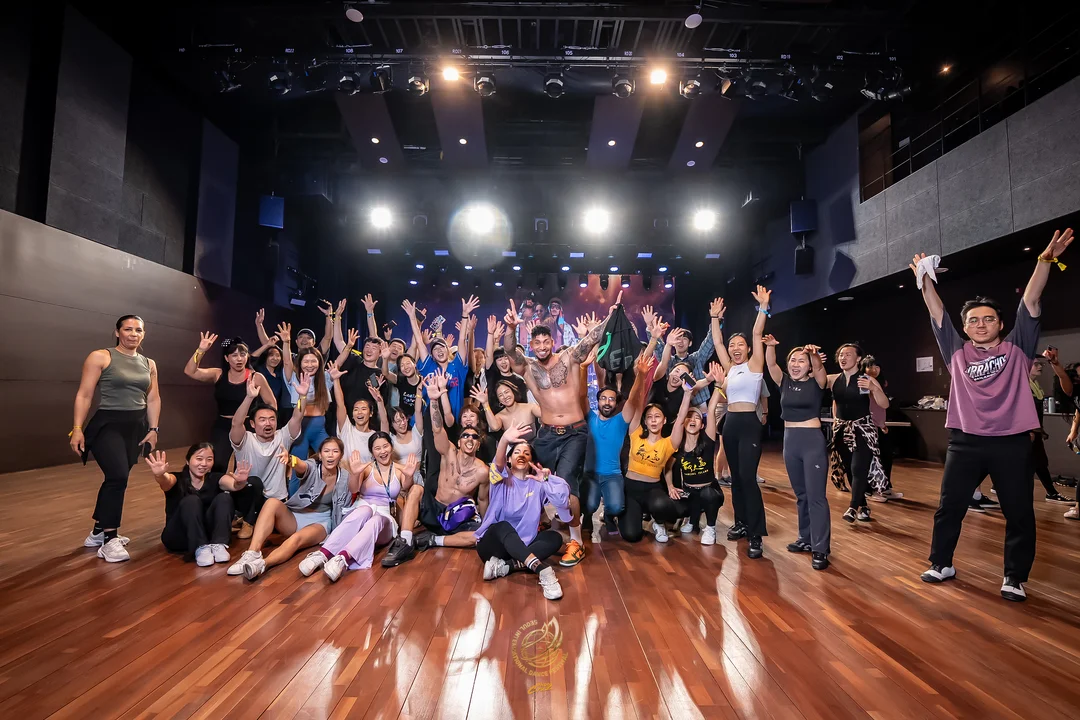
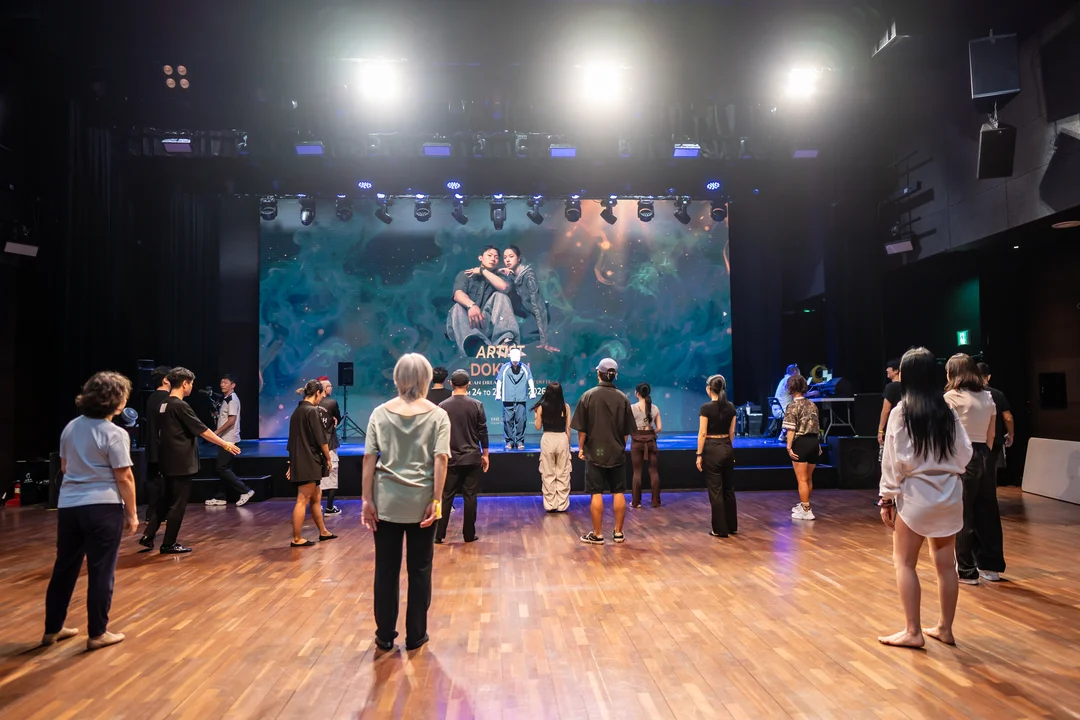
Please prepare three bundles of ‘movement, recovery, and information’.
| Category | Things to take care of | reason |
|---|---|---|
| movement | Comfortable clothes, proven shoes | Secures arm and knee range of motion and reduces foot fatigue. |
| recovery | Water, small towel, extra top, personal snacks | Manage body temperature, moisture, and energy between classes. |
| information | Cell phone, spare battery, saved timetable | Check room changes and official notices on site. |
| personal | Necessary medicines and hygiene products | Take control of your own health and comfort. |
Bringing a lot of luggage may seem like a relief, but if you have to carry it around the venue, it actually hinders your movement. Check the event venue information for storage methods and items that can be brought in, and keep valuables to a minimum.
Video recording may have different policies from instructors and organizers, so you should check first whether it is allowed.
Your favorite instructor and the right class for you are not the same thing.
Classes by famous artists are definitely special, but learning satisfaction depends on whether your body can follow them. If you are unfamiliar with the genre, learn the language in an introductory class and then take an in-depth class.
If classes overlap at the same time, you can prioritize in the following order: ‘Artists you are unlikely to meet again’, ‘Basic skills you are most lacking right now’, and ‘Genres you want to write about tonight’.
FAQ
Frequently asked questions
Do I have to wear special dance shoes to dance workshops?
It depends on the class and floor. For a first workshop, shoes you have already worn and can move comfortably in are the safest default. If a class needs a specific type of shoe, that should be stated in the class description or by the instructor.
How many workshops should I take per day?
It depends on your individual stamina and class intensity, but don't just fill it up with back-to-back classes, be sure to include breaks for meals, transportation, and night programs. If this is your first time, start with 1-2 core classes.
Can I film a class video?
You must follow the photography policies of instructors and organizers. Filming may not be permitted during class or only the final review section may be permitted, so check on site first.
SOURCE
Official information & references
Dates, venue details, and rules are checked against the sources below and current SIDF pages.
- SIDF Official Schedule Page Confirm workshop, artist, room and time
- SIDF Official Photo Album Check out the actual workshop space and participation methods
- SIDF Service Terms of Use Confirmation of formal criteria against which programs and field operations can be coordinated
This guide is free to read thanks to our partners
Interested in partnering with SIDF? Contact us