Quick answer
The short version
Festival sponsorship does not require a big-corporation budget to begin. SIDF collaborations fall into four paths: on-site exposure, online exposure, booth operation, and collaborative content. Brands can start by choosing what fits their objective. Rather than presenting a tier chart first, we consult based on scale and purpose, so neighborhood studios and small brands are also candidates. Inquiries go to [email protected].
“Can a business our size ask about festival sponsorship?”
This sentence often arrives in the inbox: a café owner near Sangam, a marketer at a four-person beauty brand, a small workshop making dance shoes. What they share is that they rejected themselves before making an inquiry.
Festival sponsorship makes people picture a huge logo behind a stage and a contract worth hundreds of millions of won. Actual collaborations are divided far more finely than that image.
This guide explains the types of ways to work with SIDF and what to prepare so an inquiry moves faster. There is no price list; instead, there are choices.
First, what kind of event is this festival?
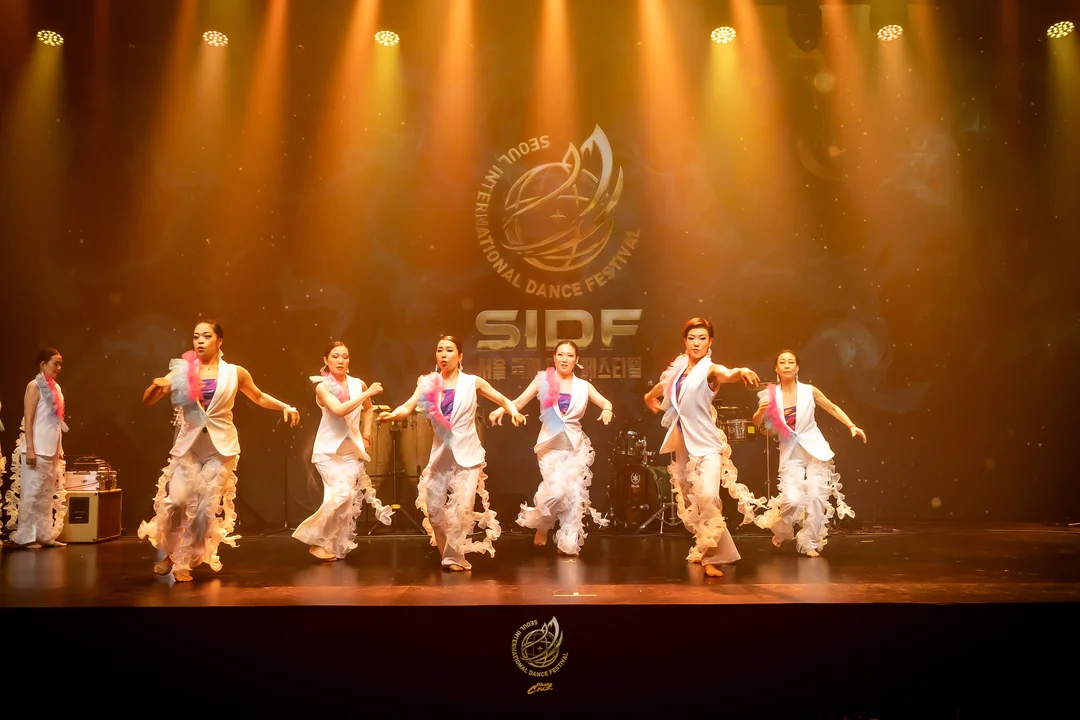
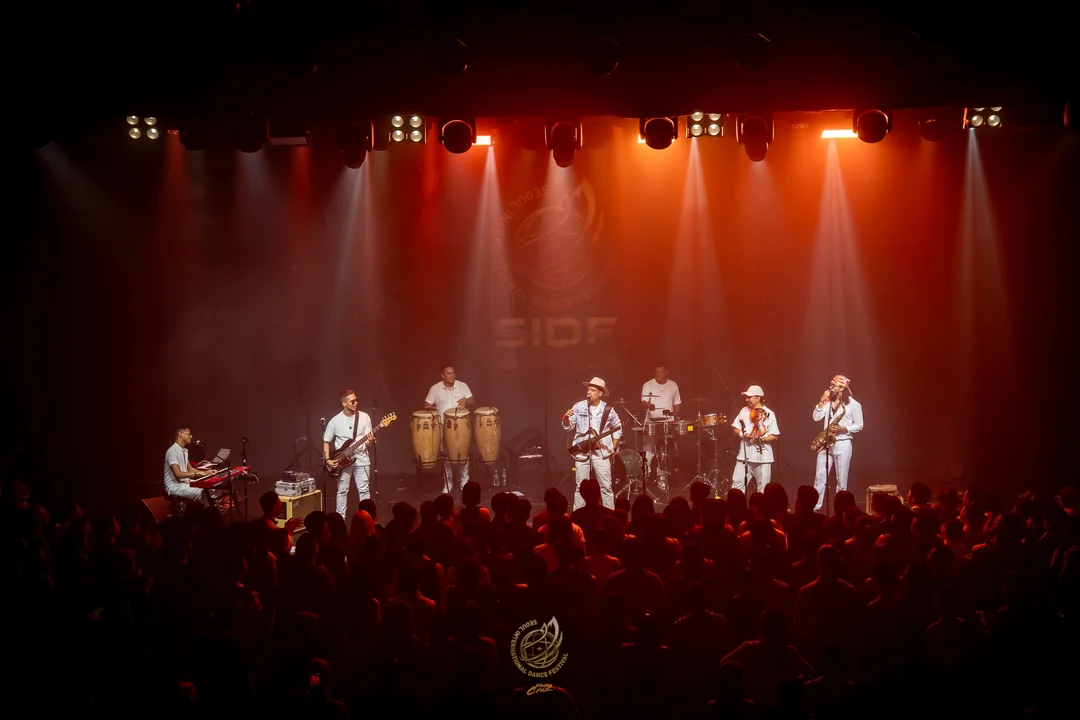
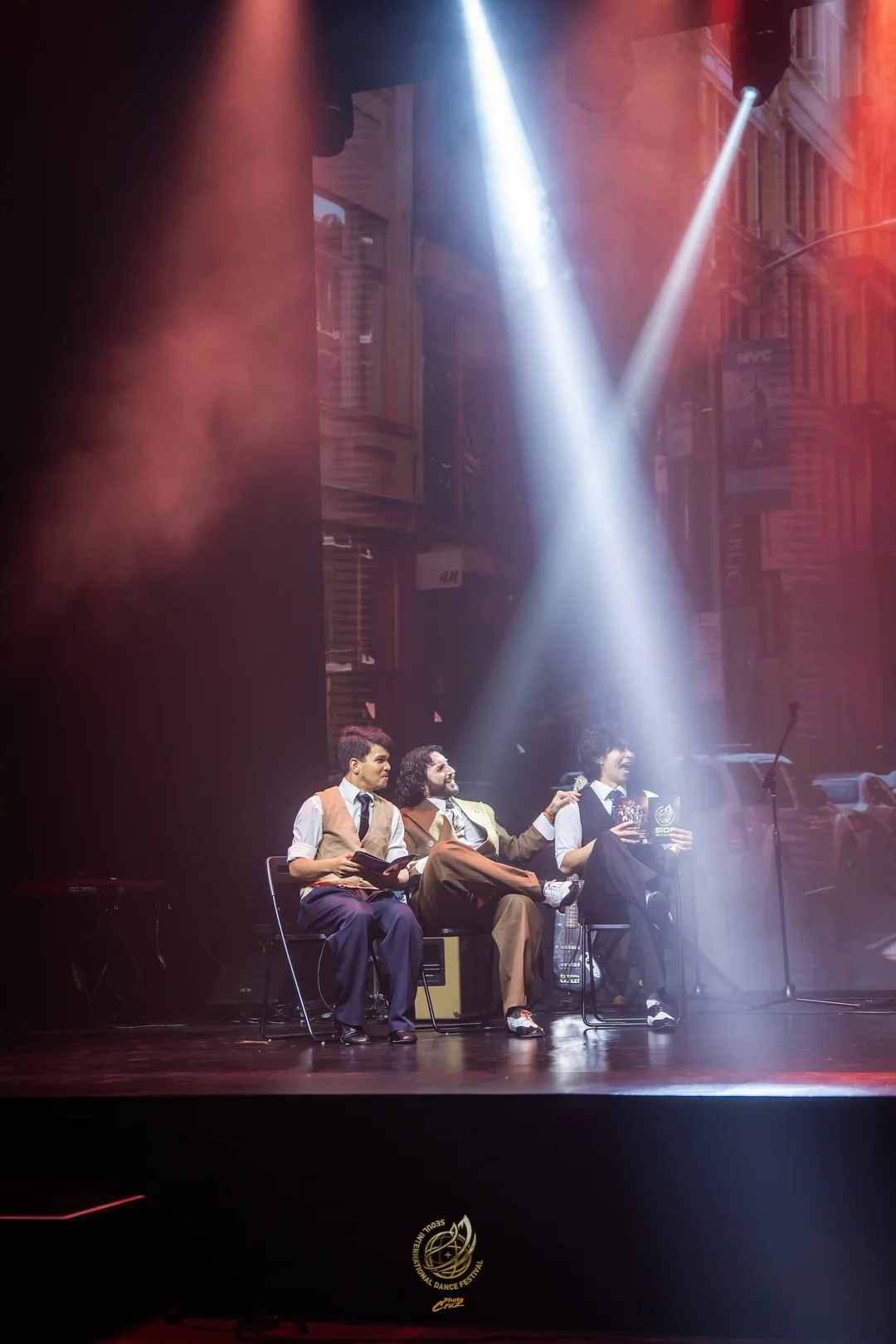
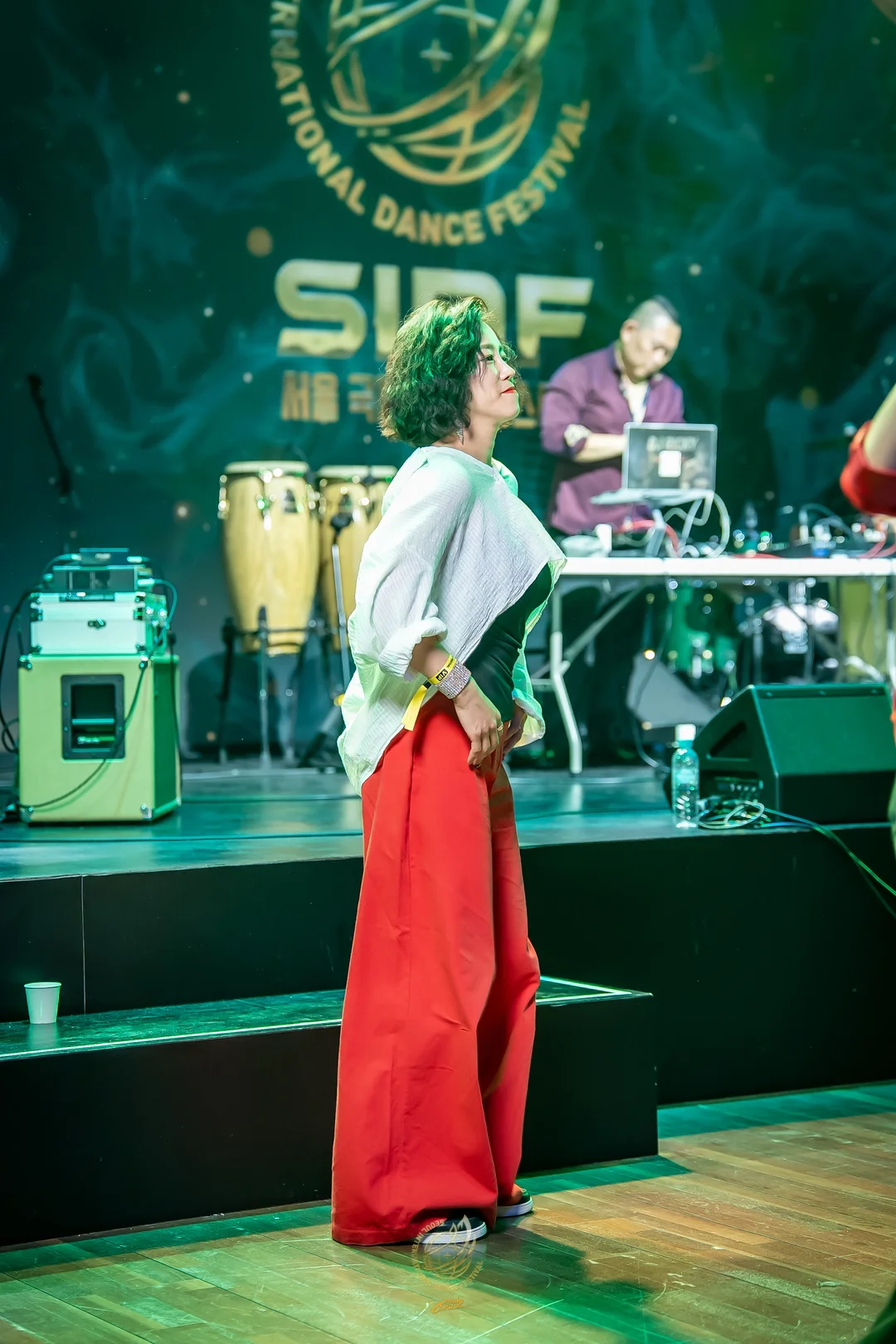
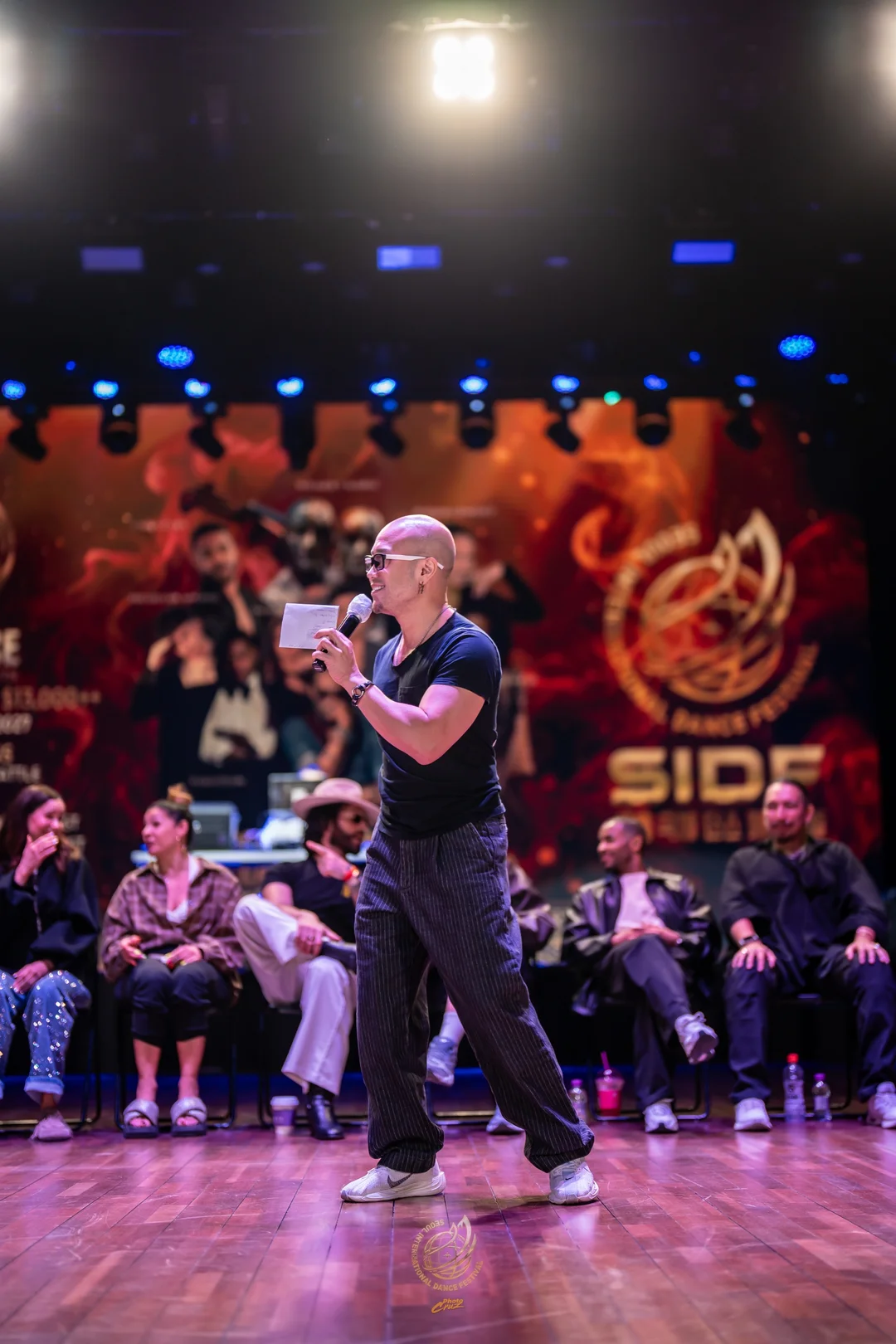
SIDF 2026 ran for three days from Friday through Sunday and had 872 participants. Workshops, performances, socials (time when participants freely dance with one another), battles, and live concerts continue in the same space.
It left 5,186 official photos. The reason that number matters in sponsorship review is simple: it means scenes where a brand appears can continue circulating as assets after the event ends.
SIDF 2027 runs April 23–25, 2027, at Sangam DMC in Seoul. The blog operates in five languages: Korean, English, Chinese, Spanish, and Japanese.
Collaboration falls broadly into four paths
Each brand wants a different result: some want people to know their name, some want to put products directly in people’s hands, and some need content material. The four types below are organized around those goals.
| Type | What it looks like | Best for these brands |
|---|---|---|
| On-site exposure | Visible placements at the venue, including banners, signage, and brand credit on stages and program guides | Local businesses seeking regional awareness and brands needing offline touchpoints |
| Online exposure | Digital exposure before and after the event through the official website, blog, social channels, and post-event content | Brands unable to visit on event day or prioritizing search traffic and long-term exposure |
| Booth operation | Direct product displays, demonstrations, consultations, sampling, and more in an on-site space | Brands that need people to touch their products to be convinced, and teams seeking on-site response data |
| Collaborative content | Creating content together through photo and video shoots, co-planned events, or participant programs | Brands that want to participate with planning and material rather than budget, and teams growing their own channels |
The four types are not mutually exclusive. A brand can run a booth and take online exposure together, or do collaborative content alone. The number and combination are discussed to fit scale and purpose.
There are advantages to being smaller, too
Large budgets buy broad exposure. Smaller budgets can choose narrow, deep touchpoints instead. Among participants staying in the same space for three days, the latter is often more memorable.
Approaches worth considering regardless of scale
- A small collaboration attached only to a particular program time instead of a booth
- In-kind collaboration through products, space, staffing, or equipment instead of cash sponsorship
- Staged participation continuing to the following year rather than a one-year one-off
- A content exchange in which the brand channel and SIDF channel each share materials
- A proposal matching participant routes, such as a promotion for local businesses
In-kind collaborations receive especially few inquiries. Event operations need everything from filming equipment to drinks, storage, and participant gifts; for brands, this can mean participating through inventory rather than a marketing budget.

Inquiries proceed in this order
- 01
1. Send an email
Email [email protected] with a brand introduction and the collaboration type that interests you. There is no separate proposal template. Five lines are fine.
- 02
2. Confirm the objective
A representative replies to identify what you want to gain and when you need the result. The proposal direction changes depending on whether the goal is awareness, sales, or content.
- 03
3. Discuss the scope
Adjust which combination of the four types fits, whether the form is cash or in-kind, and how far participation extends. Scale is set at this stage.
- 04
4. Execute and summarize
Confirm the agreement in writing and proceed according to event-preparation timelines. Photos and results are shared after the event.
You do not need to put a budget in the first email. In fact, “We would like to try something like this but do not know whether it is possible” starts the conversation faster.
When is the best time to inquire?
SIDF 2027 is April 23–25, 2027. Space-dependent collaborations such as booths connect to layout planning, so choices are broader when discussion starts early.
Online exposure and collaborative content are relatively flexible. Still, preparing together for pre-event promotion takes time, so it is easier to align a schedule when you share your decision timing first.
To understand the previous event’s atmosphere, start with the official photo album. Its 5,186 photos show exactly how densely workshops, performances, socials, and battles took place; it is the most accurate review material.
FAQ
Frequently asked questions
Can small brands or sole proprietors inquire about sponsorship?
Yes. We do not cut applicants off by a fixed sponsorship tier chart; collaboration scope is discussed to fit a brand’s scale and objective. In addition to cash sponsorship, in-kind forms such as providing products or services are considered.
How are sponsorship amounts and benefits decided?
There is no public price list. After selecting the needed types among on-site exposure, online exposure, booths, and collaborative content, scope and conditions are discussed. Tell [email protected] your objective and we will reply with an appropriate option.
Can we only operate a booth or only collaborate on content?
Yes. The four types are options, not a bundle product. Booth-only, content-collaboration-only, and online-exposure-only are all possible, and combinations can be adjusted freely.
SOURCE
Official information & references
Dates, venue details, and rules are checked against the sources below and current SIDF pages.
- Official SIDF photo album Use 5,186 official SIDF 2026 photos to check event scale and program density
- Official SIDF schedule Check SIDF 2027 dates and program composition
- Official SIDF venue guide Check Sangam DMC space information needed for booth and on-site exposure review
This guide is free to read thanks to our partners
Interested in partnering with SIDF? Contact us