Quick answer
The short version
A booth does not buy a space; it buys time. Place it on a route people truly walk, prepare one experience that finishes within three seconds, and schedule rotations so staff do not burn out, and the same footprint works completely differently. On-site photos and contact capture must be in the plan so there is something to use the week after the event.
A pretty table, but nobody stops at the booth
On the afternoon of the second event day, a brand representative sits behind the booth looking at their phone. The banner went up on time and there is plenty of merchandise, but people simply walk past a meter in front of it.
The usual conclusion is that “a booth only takes up space.” Yet a same-size booth next door at the same event has a line. The difference comes from design, not budget.
This article covers only the points representatives often forget about what actually needs preparing on site after paying the participation fee.
1. A good spot is not a large spot; it is a spot where people can stop
Choosing a booth location from a floor plan alone usually fails. A floor plan does not show where people stop or walk quickly.
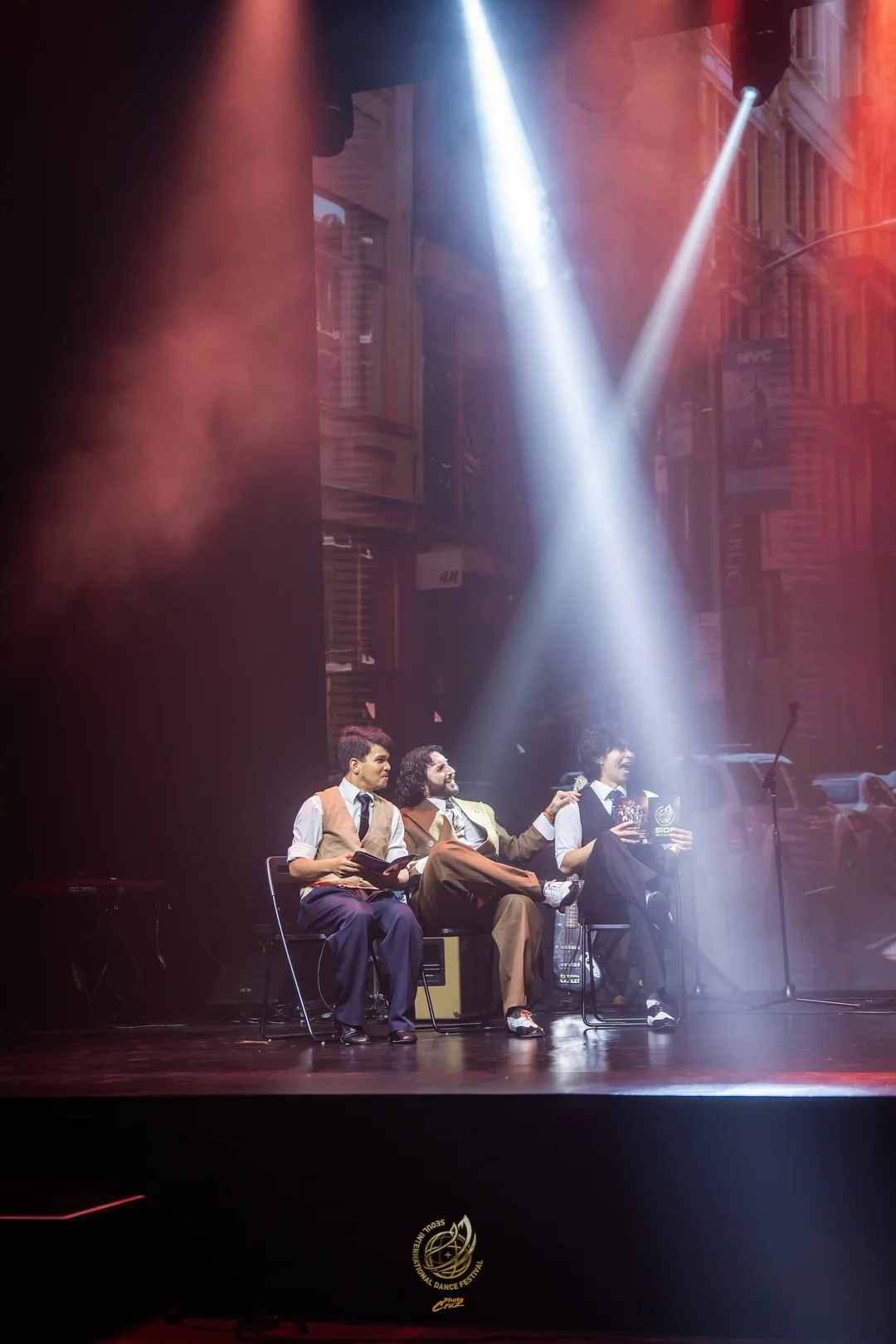
At an event such as a dance festival, where programs are divided by time, moments when attendees pour out and disperse are predictable. Performance-hall exits, lines, and spaces near where people leave belongings and rest are where feet really stop.
Ask organizers these questions in advance
- The route between main-program entrances and the booth zone
- Locations and opening hours for rest and bag-storage areas
- Whether a queue may form in front of the booth and any aisle-width limits
- Availability of power and outlet locations
- Permitted installation and teardown times and delivery routes
Aisle-width limits are especially important. It is common to design a large experience, then have to halve it on site because a line cannot be formed.
2. Do not merely hand things out; let people try something
A booth piled with merchandise loses its reason to exist the moment the goods run out. Most people who take something away do not remember the brand name.
An experience need not be elaborate. It should be something a passerby can complete standing up in 30 seconds, with a visible result.
- 01
One line understood in three seconds
Put one sentence on the front of the booth explaining what can be done there. Feet stop when it states an action, not a brand slogan.
- 02
One 30-second experience
Prepare an activity without waiting pressure, such as trying a sample product, a short mission, or an instant photo. Longer activities make the line grow and block the aisle.
- 03
A result to take away
A photo, something made, or even a stamp keeps the conversation going. This is the most natural moment to ask for contact details.
- 04
Room to decline
A booth that holds people back eliminates their next visit. Let uninterested people pass comfortably and spend time on those who show interest.
3. When people tire, the booth closes with them
Staffing is what most often falls apart in booth operations. When two people stand from morning to night, they speak less and their expressions harden by late afternoon. The impression visitors get then becomes the impression of the brand.
| Role | What they do | Watch out for |
|---|---|---|
| Front | Speak to passersby and explain the experience | The quickest role to tire; rotate every two to three hours |
| Experience lead | Run the experience and manage the queue | Set the maximum number of people at once |
| Recorder | Take photos and video; count visitors | Confirm filming consent; tally by time slot |
| Backup | Restock supplies, cover breaks, contact organizers | Keep one person able to see conditions outside the booth |
A rotation schedule needs only one sheet of paper. Write names and times and post it inside the booth. Include meal and restroom breaks for it to be followed in practice.
Do not skip a 30-minute briefing the day before. Sharing five common questions and answers, plus one sentence for “I do not know, so here is how I will respond,” prevents inconsistent messages on site.
4. On-site photos can only be taken during the event
Writing a report after the event with no usable photos is a common failure. When representatives are tied up with visitors, photography is always postponed.
Minimum shots to capture
- A wide view of the empty booth (right after installation, after lights are on)
- Visitors trying the experience (including angles without large faces)
- The moment a line forms in front of the booth
- Staff explaining something
- A wide shot showing the event atmosphere
Assign a photographer and set time slots. One in the morning, one at peak traffic, and one before wrap-up produce material for the report and next proposal.
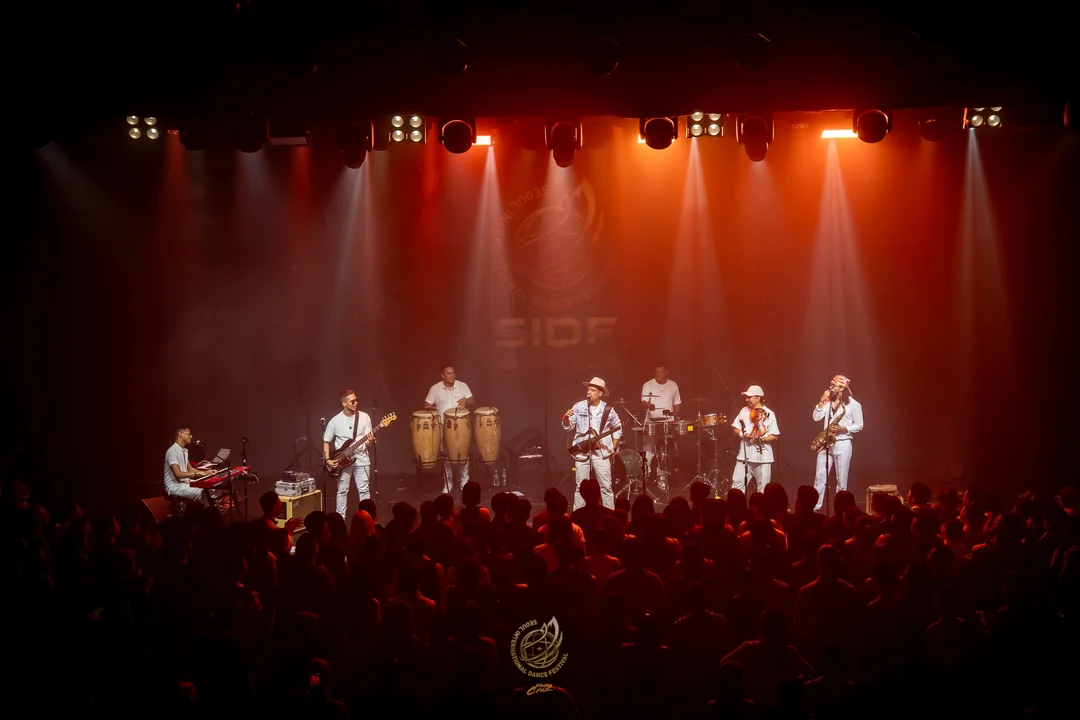
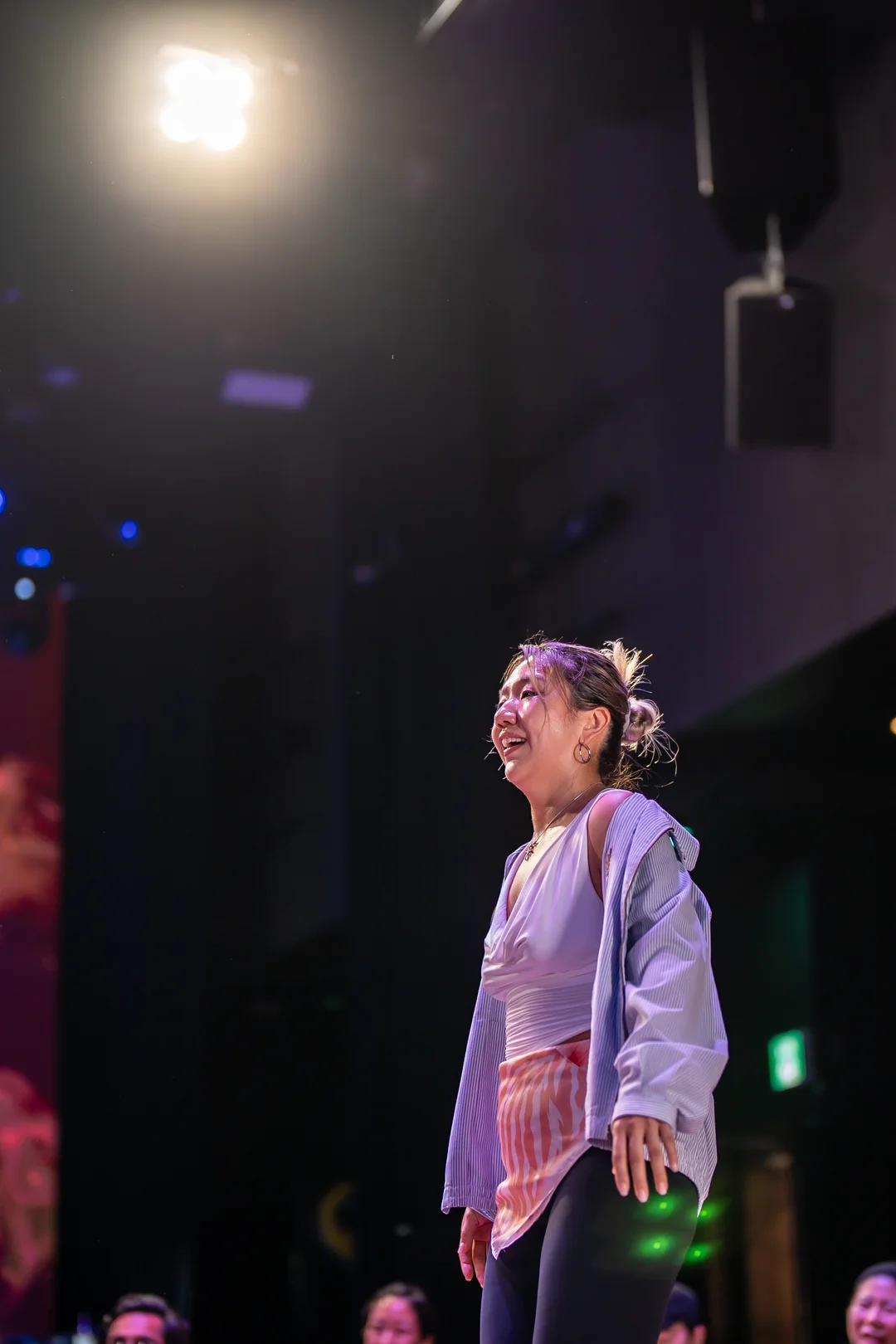
Check the organizer’s official photos too. SIDF 2026 produced 5,186 official photos, published in an album. It is safer to clarify in the contract whether booth shots are included and their terms of use.

5. Do nothing the week after the event, and the participation fee is simply spent
When business cards and entry forms come home in a box and go into a drawer, that booth really did only occupy space. Recovered contacts become less responsive with time.
- 01
That night: organize
Transfer contacts and notes received that day before the day ends. Marking “high interest” while memories remain creates priorities later.
- 02
Within three days: first contact
Send a short message mentioning the event name and the conversation at the booth. They will not open it if you lead with advertising copy.
- 03
Within one week: internal report
Put visitor count, experience-participant count, contacts collected, and photo count on one page. This is the basis for deciding whether to participate again.
- 04
Within two weeks: design the next one
Write down what worked and what blocked the aisle. This note is most valuable when writing the next event proposal.
Many teams find counting burdensome, but it need not be exact statistics. Simply hand-counting experience participants by time slot can lead to a different booth-location choice the following year.
Things to consider when opening a booth at SIDF
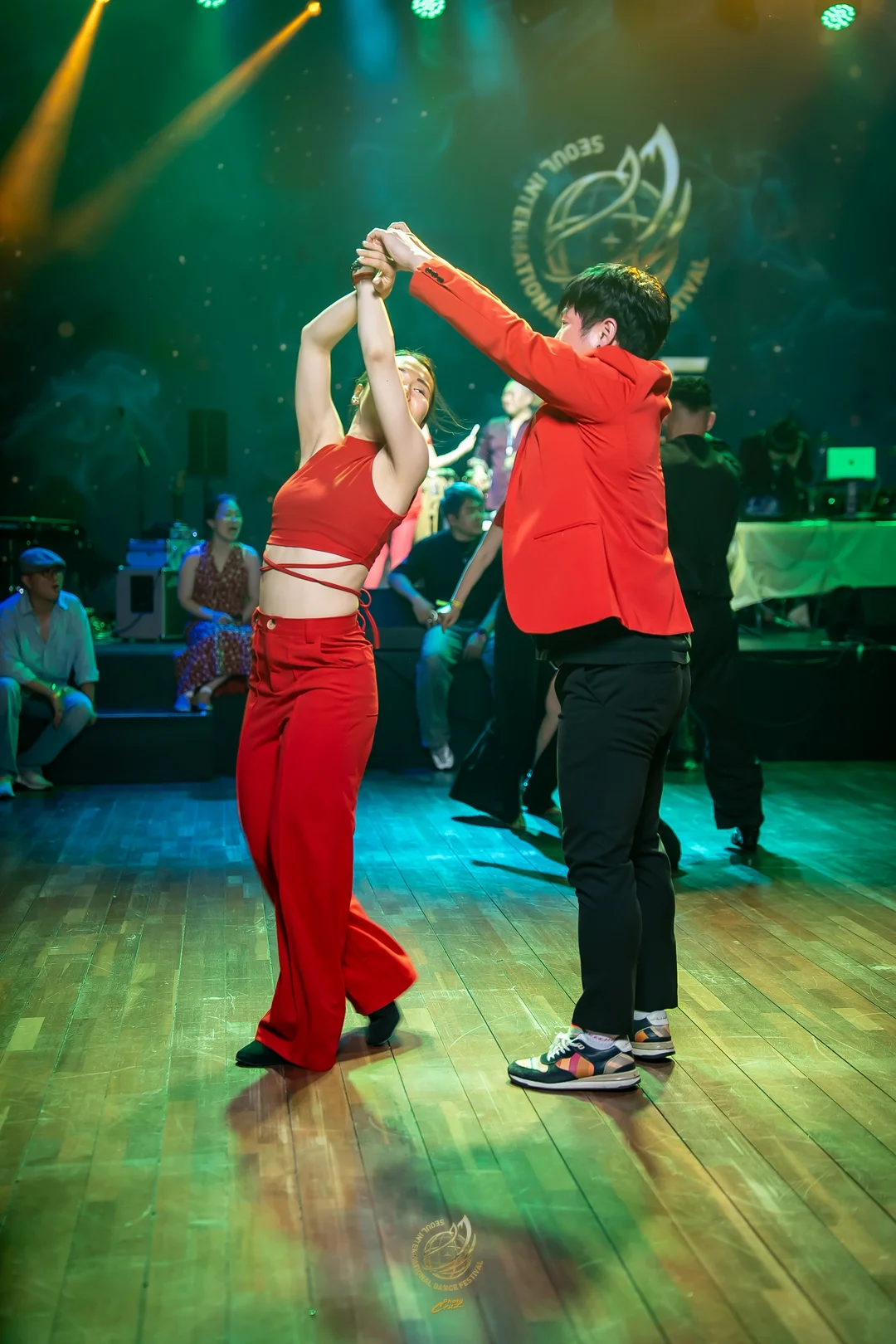
SIDF 2026 ran workshops, performances, socials, battles, and live concerts for three days from Friday through Sunday, with 872 participants. People move every time the program changes, so the density of booth interactions varies greatly by time slot.
SIDF 2027 takes place April 23–25, 2027, at Sangam DMC in Seoul. Booth locations, aisle conditions, and installation times differ by venue, so confirm them during advance consultation.
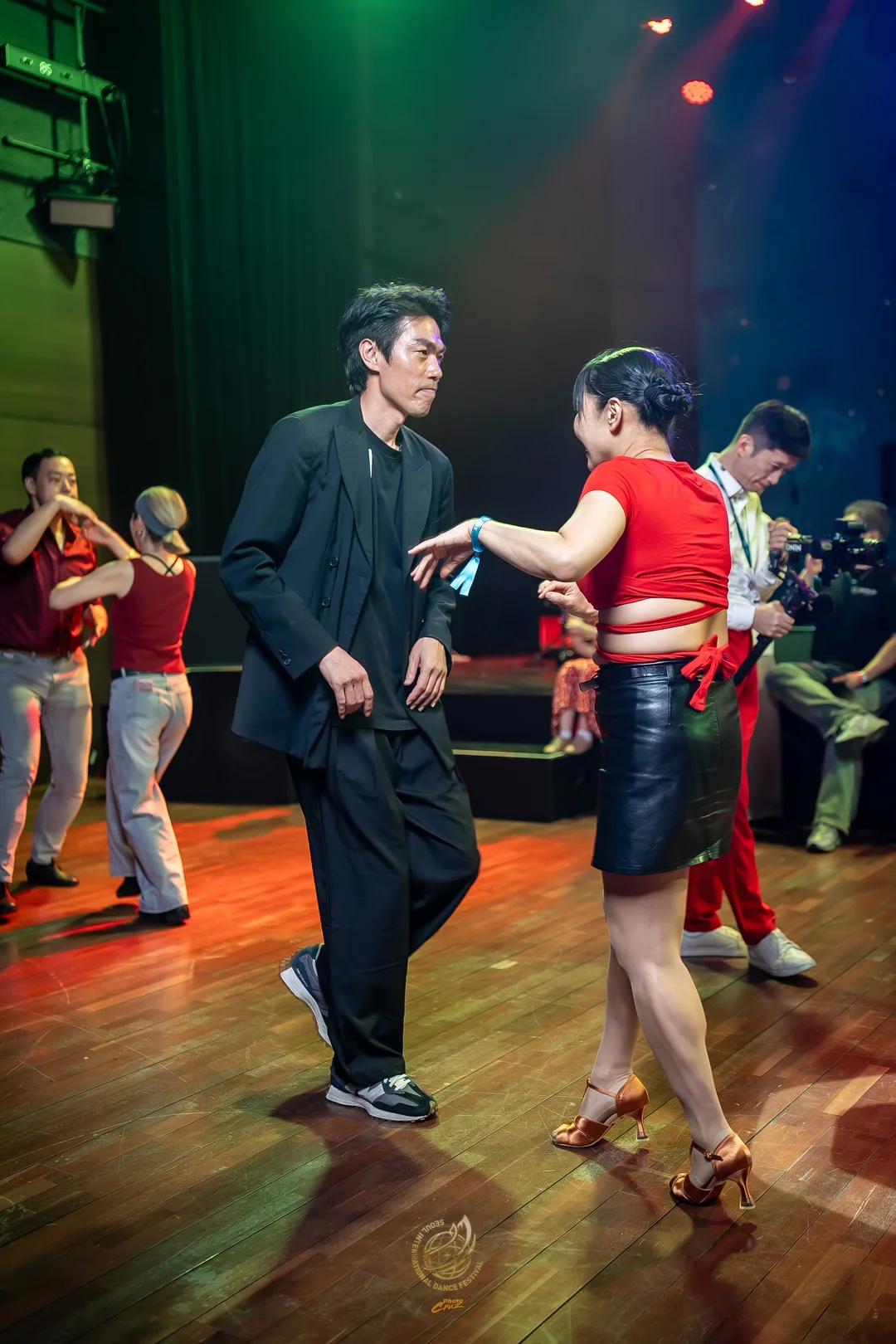
Factor in that most participants came to dance. Experiences that leave hands free, end quickly, and produce a photo fit this event well.
FAQ
Frequently asked questions
Does a small booth mean a small impact?
Location and experience design matter before area. Even a small booth changes the number of conversations when it sits on a stopping route and has a 30-second experience. A large empty booth is easier to pass by.
How many people should staff a booth?
It depends on event scale and operating hours. Still, enough people to rotate are needed to handle visitor response, experience operation, recordkeeping, and break coverage at once. A setup where two people stand all day loses response quality in the afternoon.
Can event photos be used in brand marketing?
Advance confirmation is needed because each event has its own rules and portrait-rights issues. Booth photos you take and organizer official photos may have different usage scopes, so document the terms at the contract stage.
SOURCE
Official information & references
Dates, venue details, and rules are checked against the sources below and current SIDF pages.
- Official SIDF schedule Check program composition and movement patterns by time
- Official SIDF photo album Check venue scale and crowd-density areas
- Official SIDF venue guide Check venue location and space conditions
This guide is free to read thanks to our partners
Interested in partnering with SIDF? Contact us