Quick answer
The short version
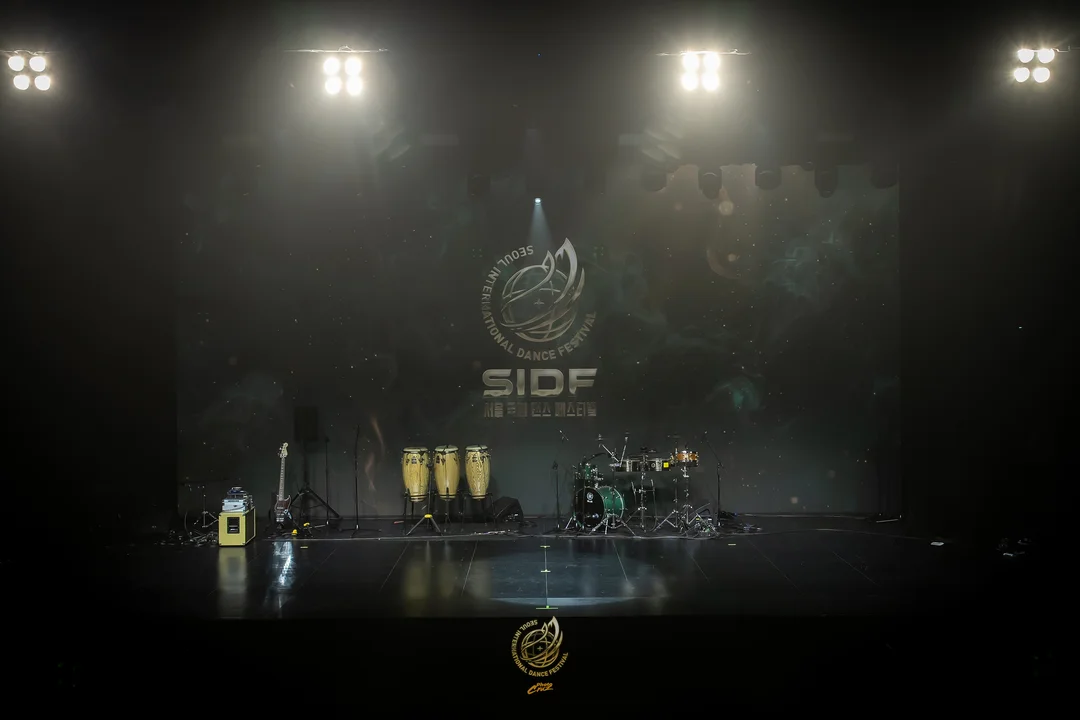
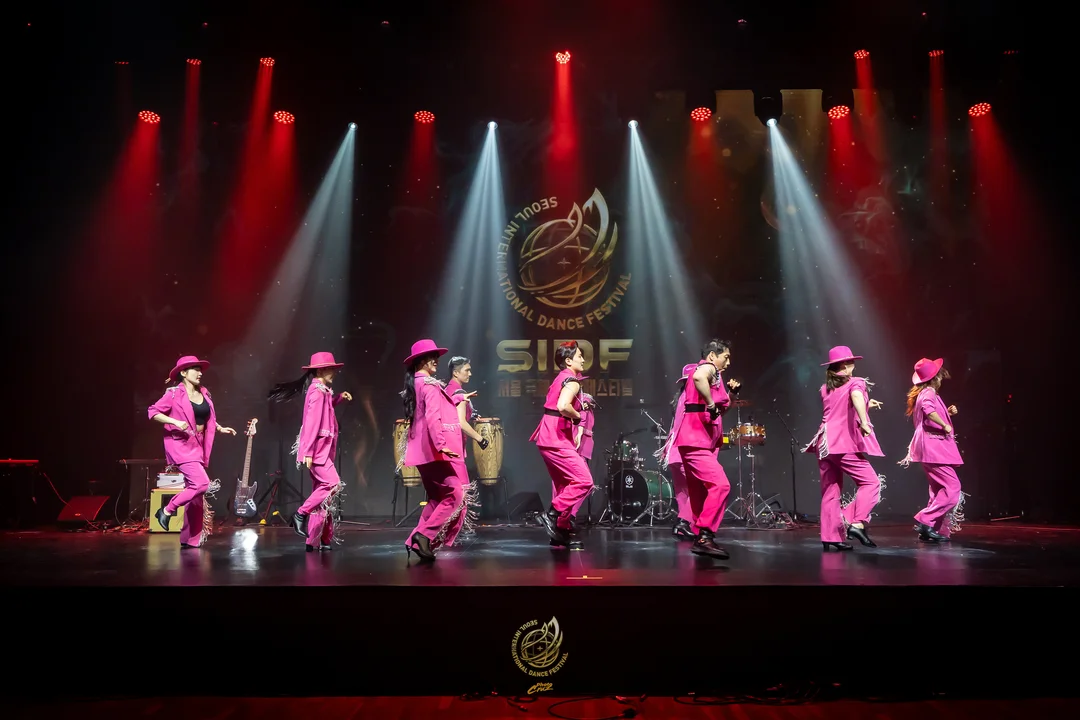
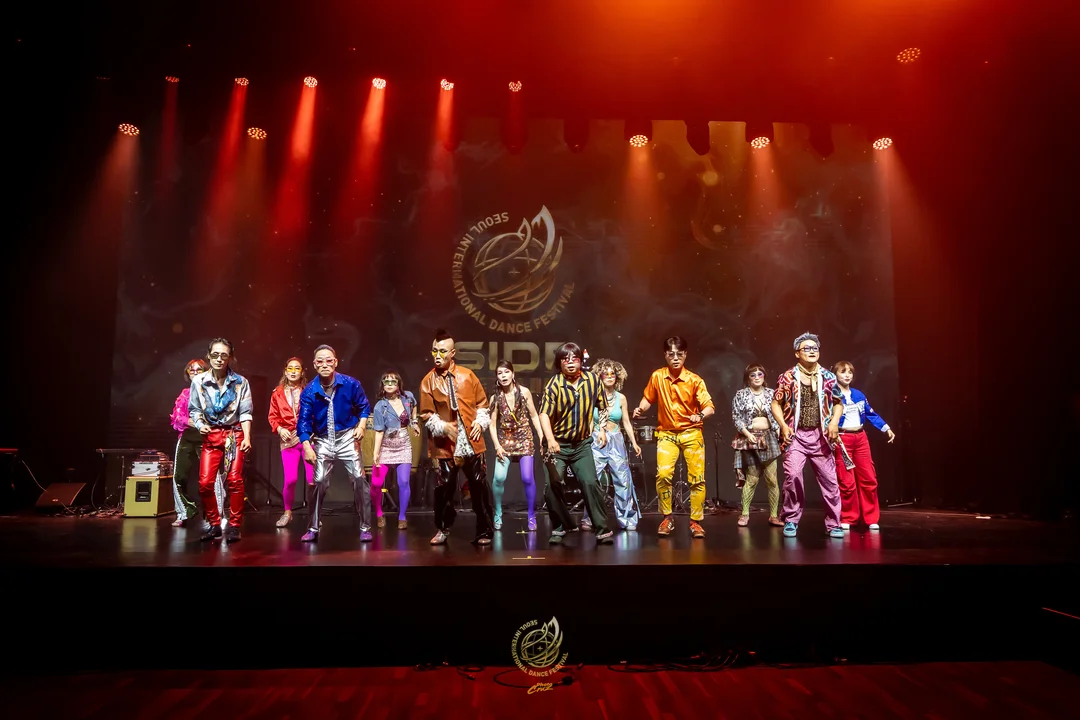
A live band does not play back a recording. Percussion, bass, piano, and vocals respond to one another on site to make the song. The same song can change in length, dynamics, and solo passages. That means dancers have to listen to the actual sound instead of following a memorized sequence. Even if you do not dance, choose just one instrument to follow.
The joy of knowing the song but not knowing exactly what comes next
A track a DJ plays always ends at the same spot. A live band is different. The vocalist may wait for the audience to sing the chorus one more time, a percussion solo can run longer, or everyone can suddenly stop on a bandleader's signal.
That small uncertainty makes dancers use their ears instead of memory, while viewers encounter a moment that exists only here and now.
First-time listeners: find just three layers of instruments
- 01
The floor: bass and the basic rhythm
Find the repetition that keeps your body moving. Even without knowing the melody, listening to this layer helps you stay oriented in the song.
- 02
The conversation: percussion and piano
Listen to percussion such as congas and piano rhythms fill in one another's gaps. Your feet and shoulders will start responding to different sounds.
- 03
The story: vocals and brass
Lyrics, melody, and strong instrumental passages change the mood. It becomes easier to spot where the audience sings along or dancers' movements grow larger.
When dancing to live music, conversation matters more than the “right beat”
If you assume the next section will arrive as it does in a familiar recording and prepare a big move first, you may miss the change in the playing. Start by reducing the size of your movement with your partner and listening to the actual music. When the song grows, widen your movement; when the playing thins out, pause together.
At a live performance, the person who listens well often looks more comfortable than the person who knows the most.
Why SIDF records live bands separately in its operating history
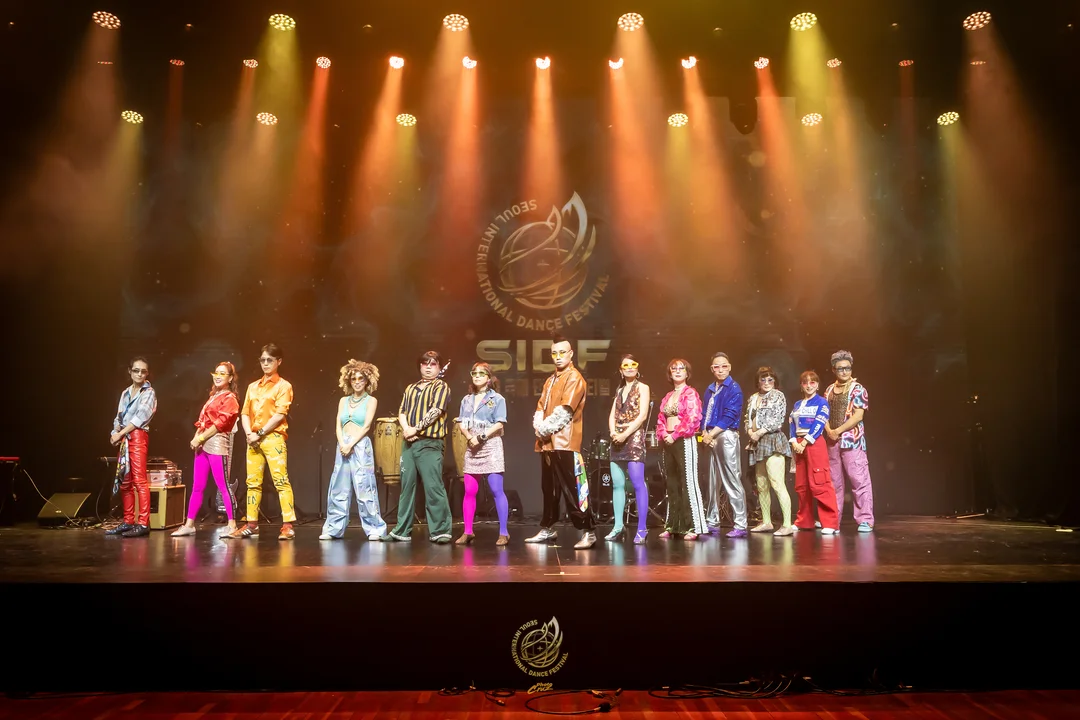
The official SIDF introduction page identifies “Korea's first salsa event with an overseas live-band performance and social participation” as one of its key records. This means it was designed not to end with inviting singers to watch on stage, but to let the performance continue into participants' social experience.
“First” is a claim made by SIDF in its official record. Check the introduction page directly for supporting details.
When music is only background, dancing becomes memorized moves; when you converse with music, even the same basic step becomes a dance that belongs only to today.
How to have a great time even if you do not dance
Four missions for audience members
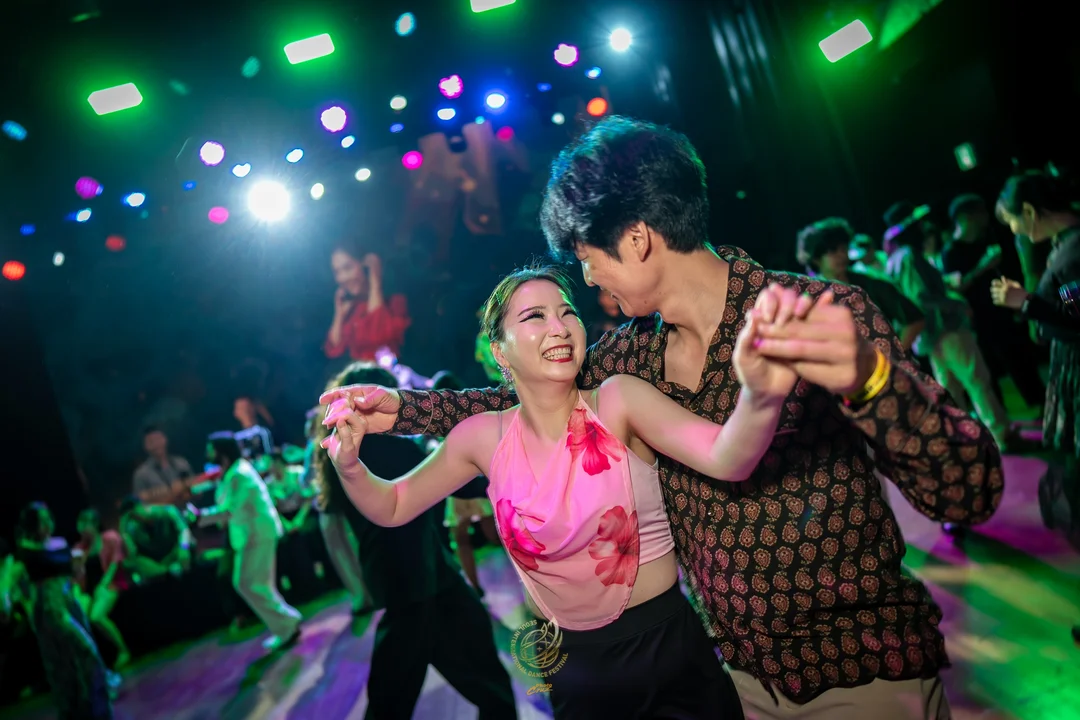
- Spot one moment when performers make eye contact with one another
- Hear one moment when audience applause or a chorus returns to the band
- Compare how two couples interpret the same rhythm differently
- After the show, write down one instrument and one song you liked most
FAQ
Frequently asked questions
Do I have to dance at a salsa live-band concert?
No. You can enjoy it simply by watching the performance and listening to the music. Follow on-site guidance for dance areas and viewing routes.
What is the biggest difference between a DJ social and a live-band social?
In a live setting, performance length, dynamics, solos, and pauses change on site. Instead of predicting a familiar recording, you respond by listening to the actual performance.
Is the live concert included with every SIDF ticket?
Ticket inclusions may vary. Before purchase, check the official description to see whether the live-band concert, performances, and socials are included in your selected ticket.
SOURCE
Official information & references
Dates, venue details, and rules are checked against the sources below and current SIDF pages.
- Official SIDF introduction Check SIDF's official record of overseas live-band performances and social participation
- Official SIDF ticket information Check the current pass scope that includes the live concert
- Official SIDF photo album See 2026 live-concert and audience-participation scenes
This guide is free to read thanks to our partners
Interested in partnering with SIDF? Contact us