Quick answer
The short version
You do not need to know dance vocabulary to enjoy a battle. Two dancers take turns, the winner moves on, and the tension comes from what they do with the same music and each other’s energy. Watch three things: where they hit the music, whether their style feels unmistakably theirs, and how they answer the opponent. For THE SAUCE, Friday qualifiers and Saturday rounds are judge-decided, while Sunday’s final combines 60% judges and 40% audience voting.
It is not uninteresting; you just do not know what is happening
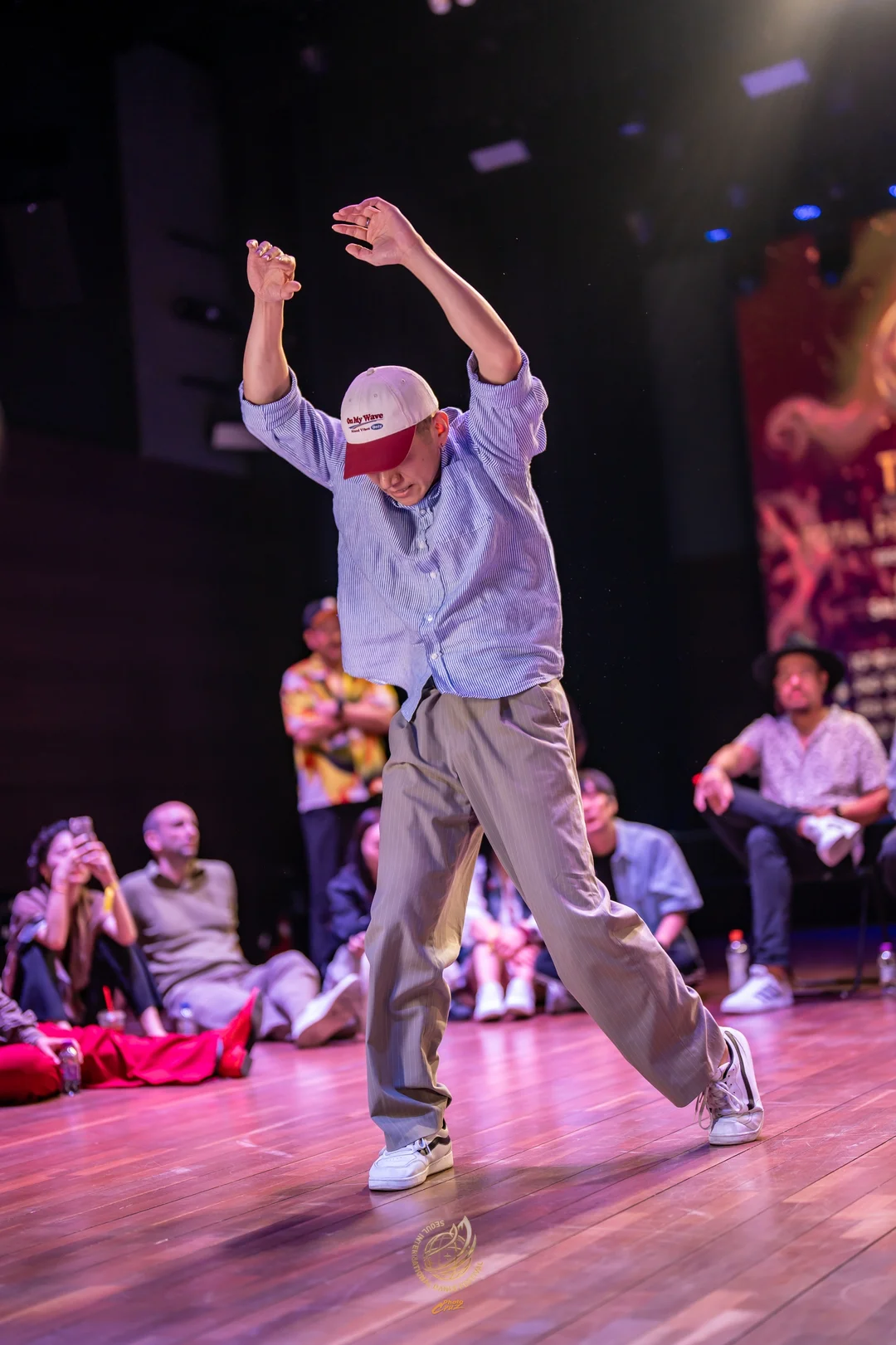
One person dances for about 30 seconds in the middle of the floor. The crowd shouts. The person beside you claps, but you do not know why you should clap now. This is usually where someone seeing a battle for the first time feels bored.
It is not because you do not know movement names. You do not know whether this is a preliminary or final, where this dancer goes if they win, or how the result is decided, so it does not look like a contest.
That is why this is not dance commentary but an explanation of competition structure. It is like how understanding just offside changes the screen when you first watch soccer. It takes five minutes.
One-on-one battle: two people dance in turn, and only one advances
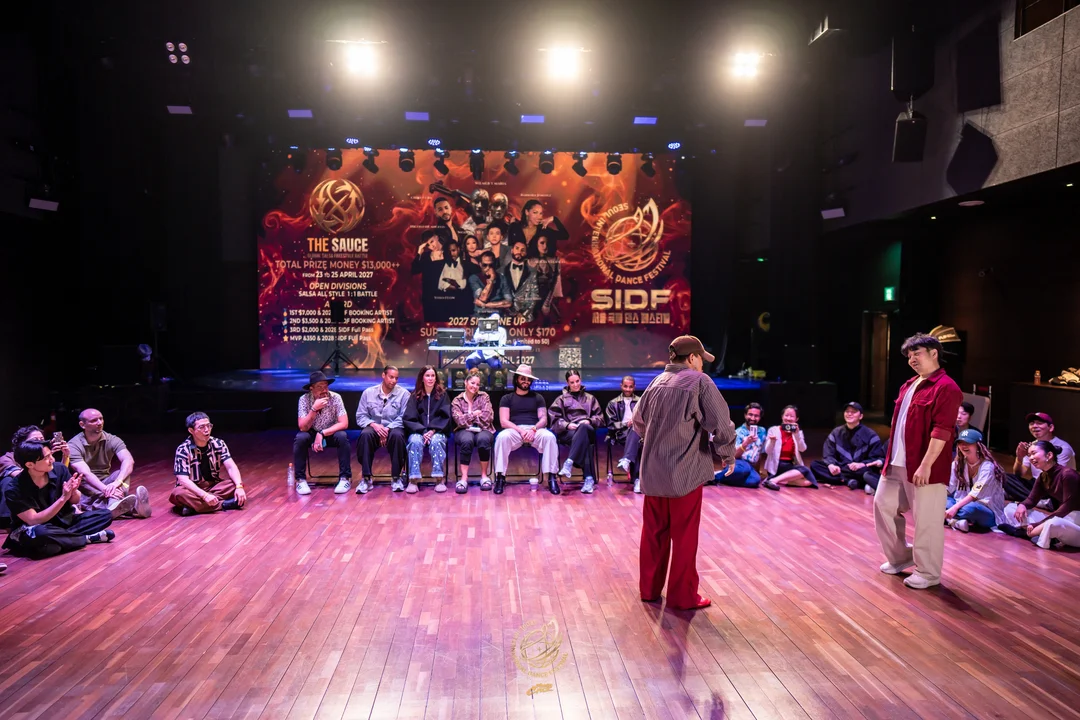
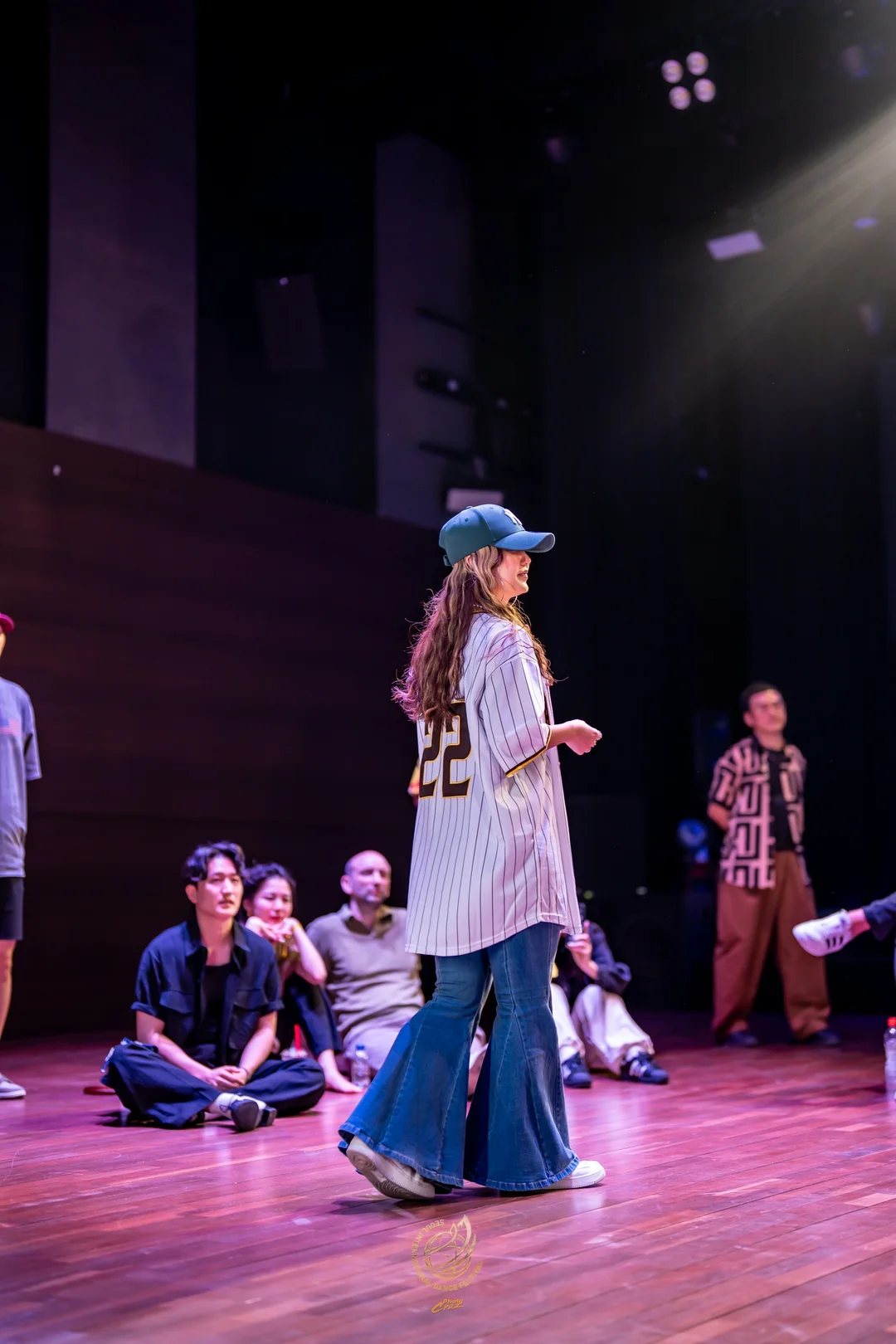
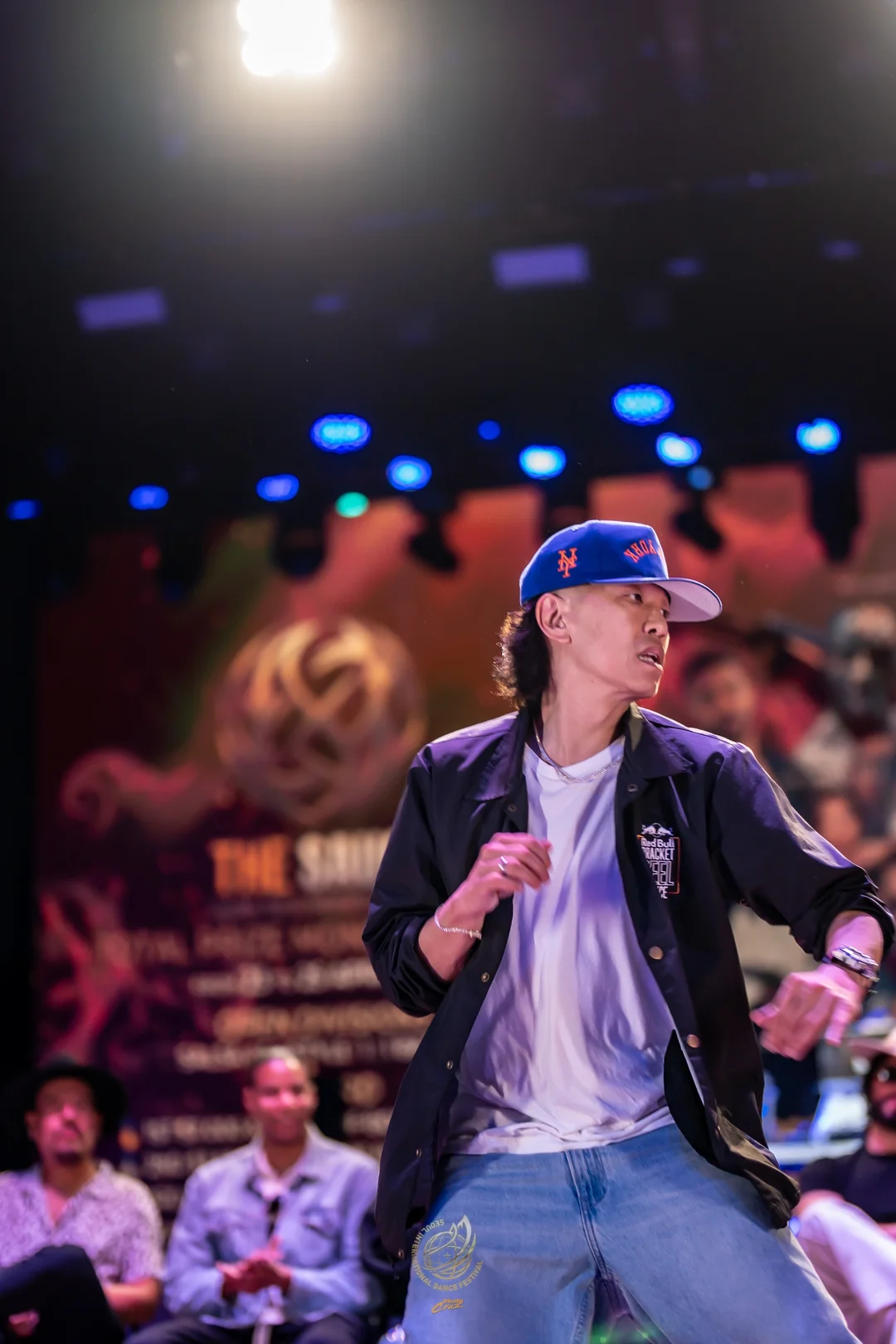
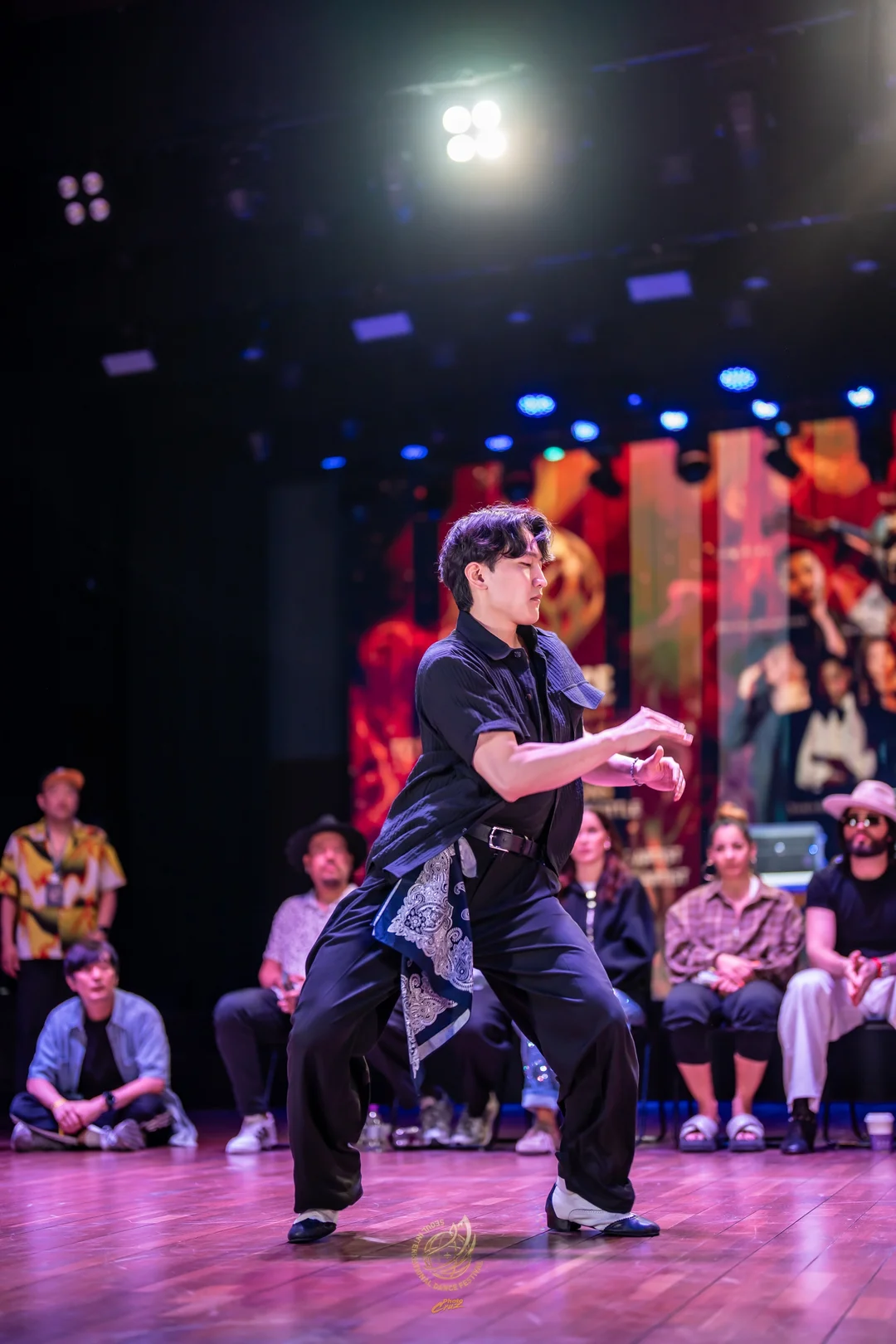
THE SAUCE main event proceeds as a one-on-one battle. Two dancers stand on opposite sides of the floor; when music starts, one enters and dances first. They step back when finished, and the opponent enters.
This order is what matters for viewing. The first dancer lays out the game, and the second answers it. If the first catches a quiet section and the second explodes more powerfully in that same section, that is when the crowd reacts.
Rounds: the field narrows over three days
THE SAUCE 2027 runs from Friday preliminaries to a Saturday main-event tournament and Sunday main final. Several battle stages run at once on Friday; Saturday’s one-on-one tournament selects the TOP 16; on Sunday those 16 proceed from a single main stage to the final.
| Day | Round | What to watch |
|---|---|---|
| Friday | Pre-registration & preliminaries | Several stages run at once, so it is hectic. In return, it is good for seeing various genres at once. |
| Saturday | Main-event tournament | Dancers face off one-on-one to determine the TOP 16. The tension is clearest because elimination is decided before your eyes. |
| Sunday | Main final | A single stage from the TOP 16 through the final. Paid spectators enter, with a Judge Showcase and awards ceremony. |
For a first-time viewer, Sunday is most comfortable. There is only one stage, so you do not need to split your attention, and the remaining dancers are already proven, with less disparity in ability.
Walkovers and wild cards: dancers advance without dancing, or advance after losing
What if the MC calls a name and the opponent does not appear? That dancer advances by walkover. It applies when there is no opponent or they do not answer the call.
It may look anticlimactic, but it also gives viewers information: a dancer who advanced by walkover has used less of their body in the preceding round.
The opposite can happen as well. If two title contenders meet early, the one who loses may still join through a judges’ wild-card recommendation. It prevents a strong dancer from disappearing early because of the draw.
What do judges usually watch?
First, one point must be clear. A particular year’s scorecard or point allocation is not public information; what follows is the general discussion common to battles. Treat it not as an answer sheet but as a lens for reading the floor.
Elements commonly mentioned in battles
- Musicality: do they dance to the sound playing now? Simply matching a beat and choosing one instrument to catch look different.
- Originality: do they have their own vocabulary that does not look copied from someone else?
- Execution: do they complete the move they intended without wobbling? The audience immediately notices when balance collapses.
- Composition: is there a beginning and end within 30 seconds, or only a list of good moves?
- Battle quality: do they acknowledge and respond to the opponent? Replaying something practiced alone does not look like a battle.
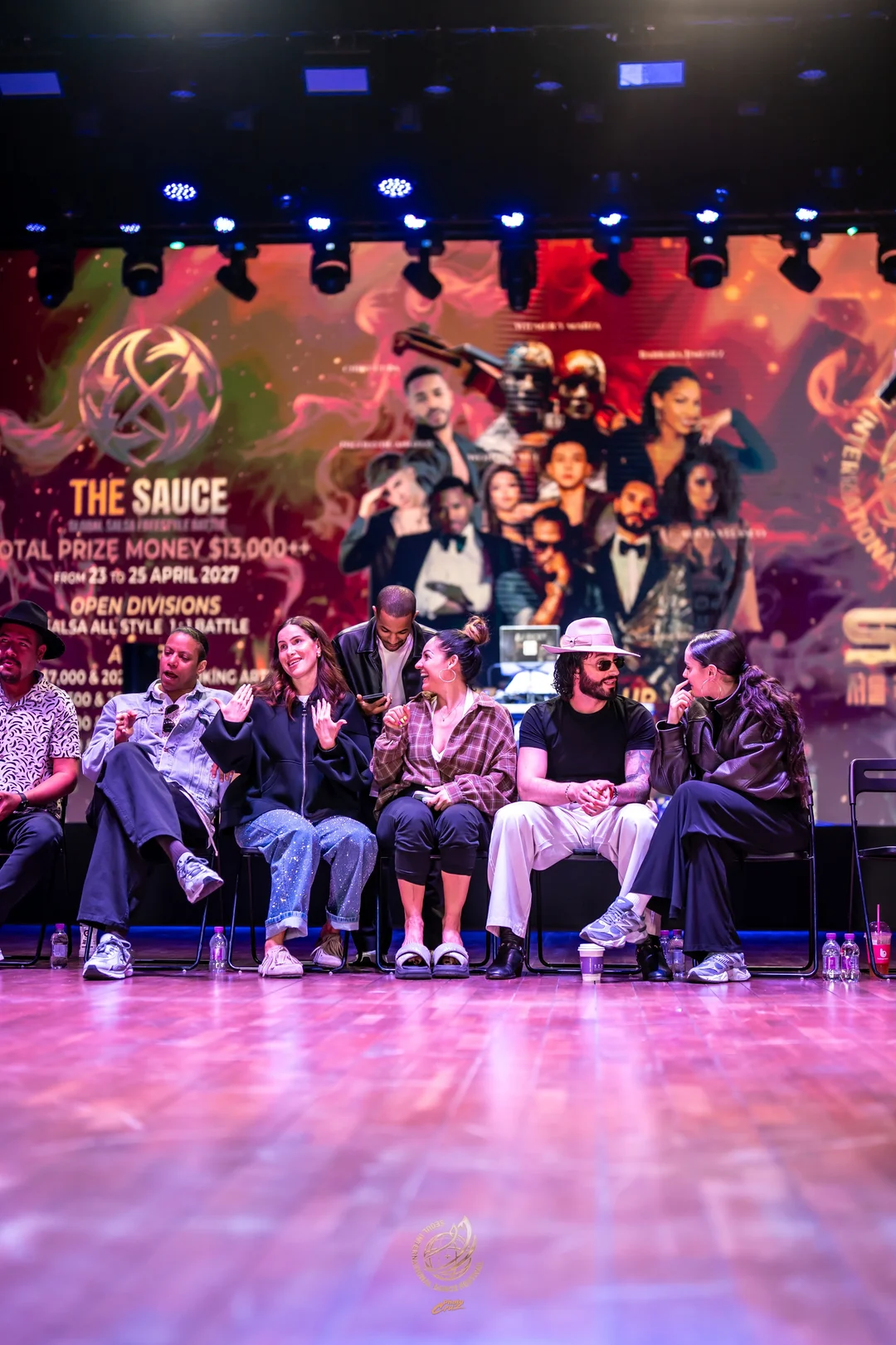
THE SAUCE judging panel mixes dancers from the street and Latin/salsa scenes. It is structured to avoid judging through only one genre’s eyes, so spectators need not see it as one genre looking advantaged.
Who decides the contest: the audience participates only in the final
Judges decide Friday’s preliminaries and Saturday’s main event. No matter how loudly the audience cheers, it does not change the result.
Sunday’s final is different. It combines 60% judges’ decision and 40% audience vote. It is a stage entered by paid spectators, meaning it is a round that must persuade even first-time viewers to win.
So if you are seated on Sunday, your vote is actually counted. People seeing a battle for the first time are not an exception.
For your first battle, watch in this order
- 01
Listen to the music first
Before watching the dancer, count three beats in your body. The first enjoyment is seeing whether the dancer lands on the beat you felt or chose an entirely different sound.
- 02
See what the first dancer put on the line
Speed, a stop, or a funny expression: that is the question of this match.
- 03
Watch the second person’s answer
They may go harder in the same way or overturn it in a completely different direction. When the crowd erupts here, the answer landed.
- 04
Ask yourself three seconds after it ends
Who remains in your memory? You do not need movement names. If one expression or one stop remains, that is your judgment.
Once you know the structure, battles are not difficult. Two people dance in turn, one advances, and on the final day you cast a vote too.
FAQ
Frequently asked questions
I have never watched a dance battle. Do I need to memorize the rules first?
No. Knowing only that two people dance in turn and the winner advances, and that an absent opponent means a walkover, is enough to follow the flow. The MC explains the rest on site.
Are judging criteria public?
THE SAUCE publishes the judging format rather than a separate point-by-point scorecard. Judges decide Friday preliminaries and Saturday’s main event, while Sunday’s final combines 60% judges’ decision and 40% audience vote. If a more detailed scorecard is released, it belongs on the battle page with the rest of the current rules.
Is it okay to watch with children or parents?
Each battle match ends quickly and the result comes immediately, so it does not demand concentration for a long time. Check that year’s official timetable for viewing times and seating conditions, and simply respect the boundary between the floor and the audience area.
SOURCE
Official information & references
Dates, venue details, and rules are checked against the sources below and current SIDF pages.
- THE SAUCE Official Page Current 1v1 battle format and judging method
- SIDF Official Timetable Check times for preliminaries, main event, and final
- SIDF Official Photo Album Check the 2026 battle floor and spectator environment
This guide is free to read thanks to our partners
Interested in partnering with SIDF? Contact us